


Travel Broadens the Mind
Pisa, I recently discovered, is a city not only of historic monuments but contemporary dilemmas too. Having retreated to the hotel after a trip spent largely avoiding a chill wind and heavy showers, and somewhat suprised by a particularly heavy police presence, the small square opposite the hotel, well away from the historic centre, gradually filled up with people of all ages mingling amidst Che Guevara banners, efficient rubbish collectors and trinket sellers likely to have negotiated apalling crossings from North Africa, their probable point of departure. They were treated kindly by the crowd and sold some beads, against a background of Carribean music, occasional speeches and a haze of smoke.
Some of the crowd, middle aged, middle class and articulate, could be imagined from my viewing point above as lawyers or doctors joining the cause, this being a plea to legalise the cultivation of cannabis to ensure its availability on therapeutic grounds. I got a bit lost at some point, as although English was the language of much of the music and some of the banners, following the speeches would have been difficult even for a fluent Italian speaker as passion and an inadequate PA system, as well as the substance in question, reduced potentially articulate arguments to a rather less fluent verbal stream.
Unable to follow the action in front of me I turned to the Internet and discovered that this particular demonstration was one of a number across Italy, and that the introduction of some fine detailed legislation in 2016 to control the expanding Italian hemp industry had in ways I couldn’t follow affected the availability of cannabis so that there is only one legal cannabis farm in Italy, guarded by the army. I also discovered, but will soon forget, that the ratio of CBD-to-THC in botanical and pharmceutical preparations is what determines the therapeutic versus psychoactive effects of cannabis.
At 9.0pm the music stopped, the remaining litter was picked up, and everyone walked quietly away.
On medical and social grounds I’m on the liberal side of the argument while falling short of planning to grow any plants myself. Attractive as they may be as plants, I’m not keen on the clandestine aspect and am reminded of the problems that beset a local church when the crypt inadvertently hosted a temporary cannabis farm which only came to light after the electricity bill soared unexpectedly.
Transport of Delights


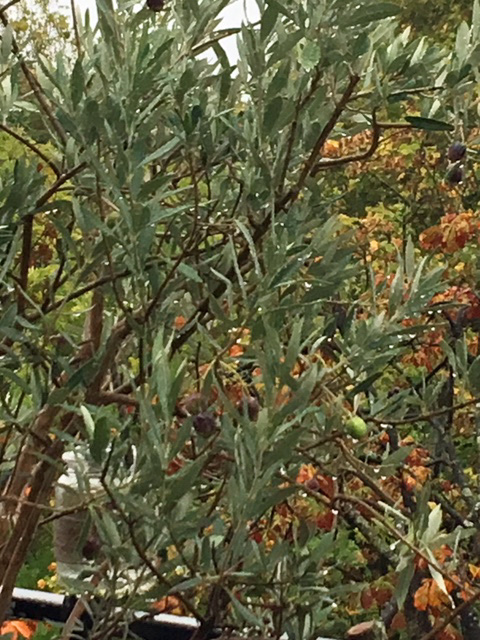
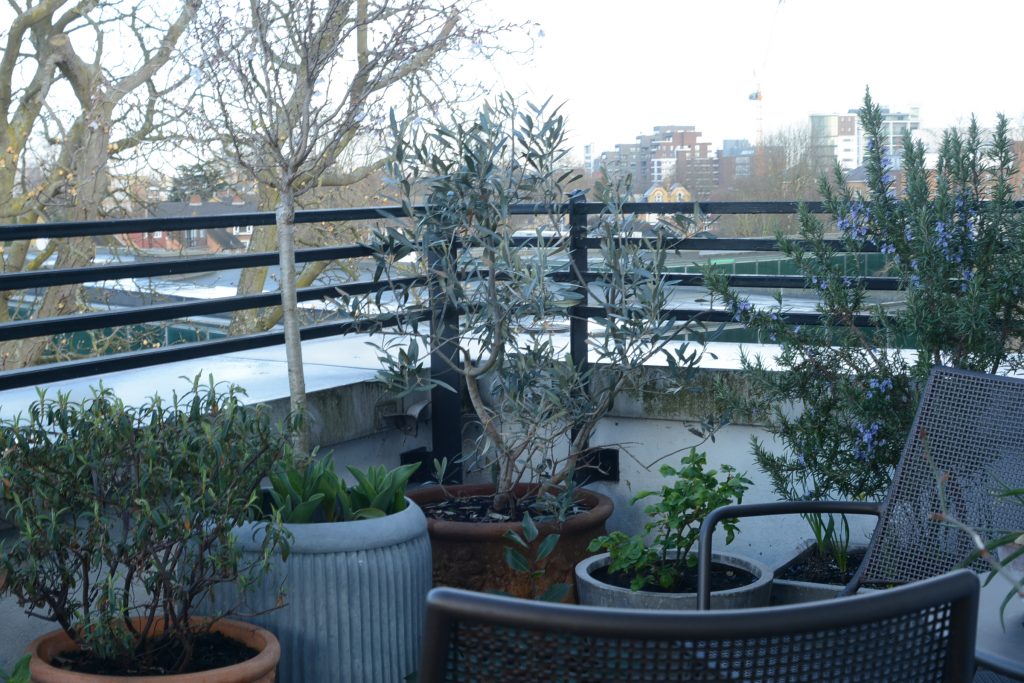
Meanwhile, England was basking in the sun with the Chelsea Flower Show in full swing, demonstrating the extent of the possible, horticulturally and imaginatively. I was pleased to discover that this year naturalistic planting, embracing weeds (not so easy with the oxalis which has taken up residence in several of my favourite pots) and planting trees are all to the fore. I can always manage the first two as buttercups and other serendipitous arrivals can ensure the unexpected but my record to date with trees is very mixed. The three olive trees (two brought from the West Country and one more recent arrival) presumably experience an exposed, elevated south facing balcony as a reasonable substitute for a Greek hillside, and thrive, one Eucalyptus ‘Nicholii’ is flourishing, the other struggling, and whilst the fruit bearing cherry is clearly enjoying its turn in the sun the Japenese ‘Kojo-no-mai‘ is not.
I have previously admitted to enjoying the set design aspect of gardening, creating an overall effect which doesn’t always bear close scrutiny, which perhaps explains the absence of horticultural detail as I write. However, I hope I’ve now developed the capacity to go a little beyond the studied placement of a few seasonal plants, replaced at will, and I have been wondering what to do with my not so flowering flowering cherry.
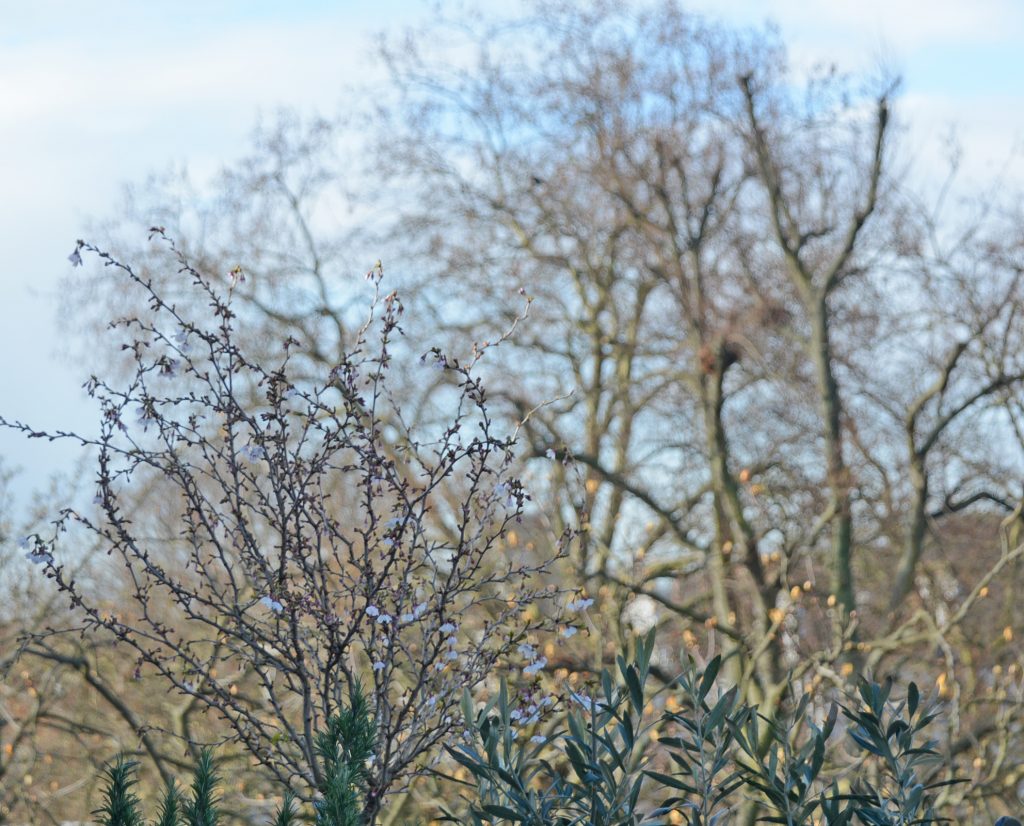
This was coming into bloom before being hit by more rain earlier in the year, when the container was already sodden from winter downpours. Briefly, in the warmth of February some blossum appeared.
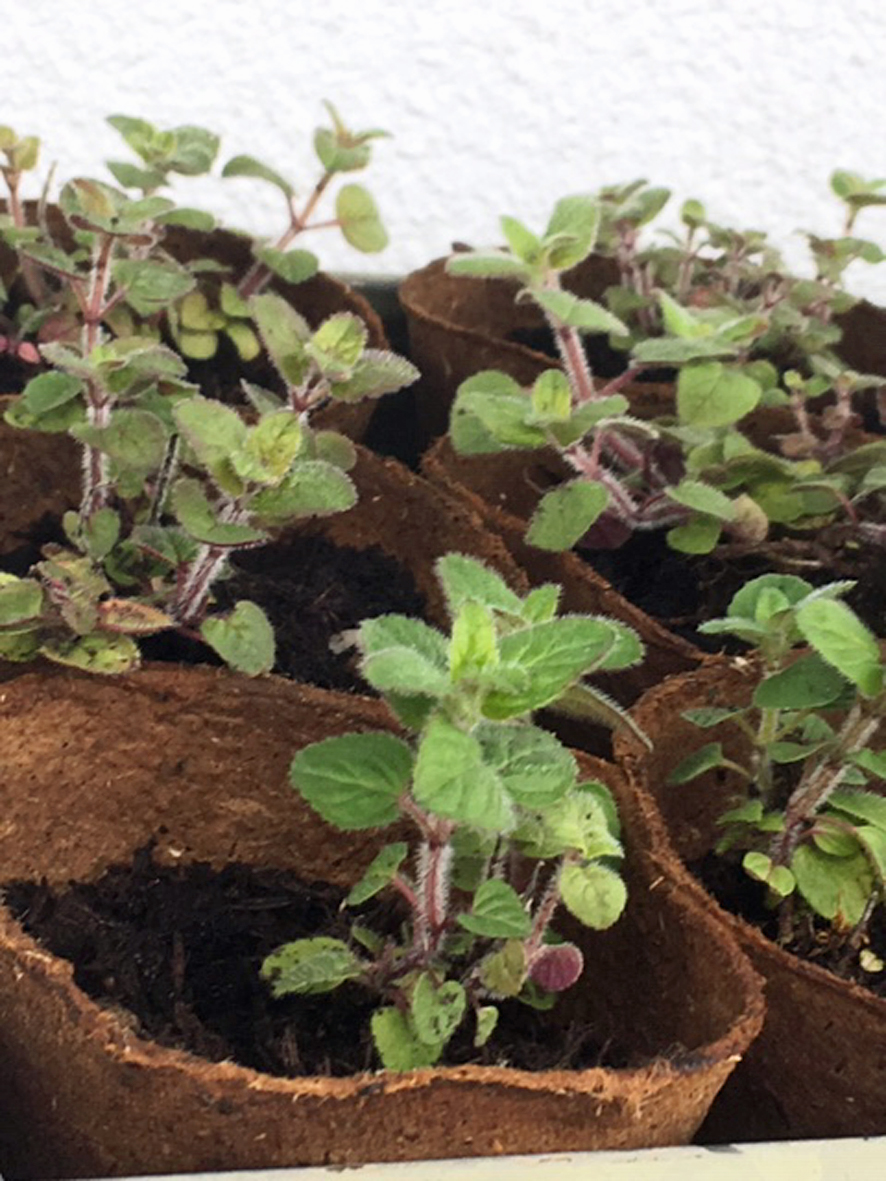
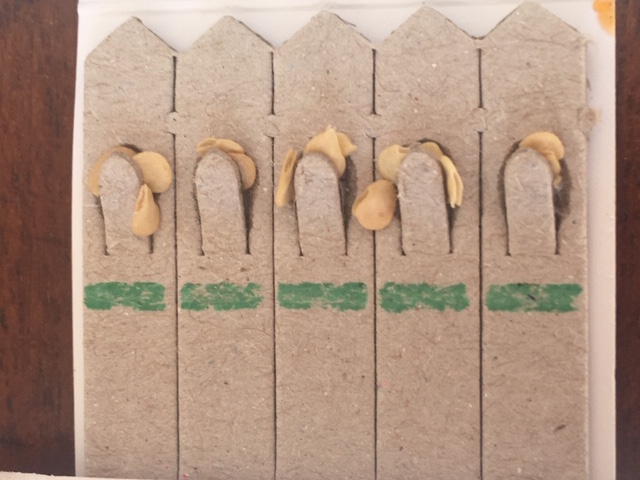
It was an expensive plant that has developed an attractive shape, but it is now dying, or more likely dead. One option would be to admit defeat and replace it, mourning both the plant and the cost involved. On the other hand I’ve tried my hand at growing seedlings this year, including some annual climbers – namely pink Thunbergia – in keeping with the overall colour scheme, that were doing rather well at an early stage while hopefully avoiding a ‘Barbara Cartland’ effect. The cherry tree presented itself as an attractive, available alternative to my tasteful and contemporary rusted obelisks (I have three already) which could support the climbers in their search for the sun, planted together with some trailing ivies heading in the opposite direction. My hope being that the combined vigorous growth could make good use of the wet conditions and help the pot dry out thereby allowing the cherry to recover. This is of course only a case study of one but there’s no evidence so far that this is a remedy destined to succeed.
It might have been wiser to relinquish any hope of the cherry’s revival and gone for another small tree which could have begun to establish itself in the anticipated warmer months, joining in my hoped for harmonious horticultural jumble in high season while narrowly avoiding chaos the rest of the year.
Transience and Transitions
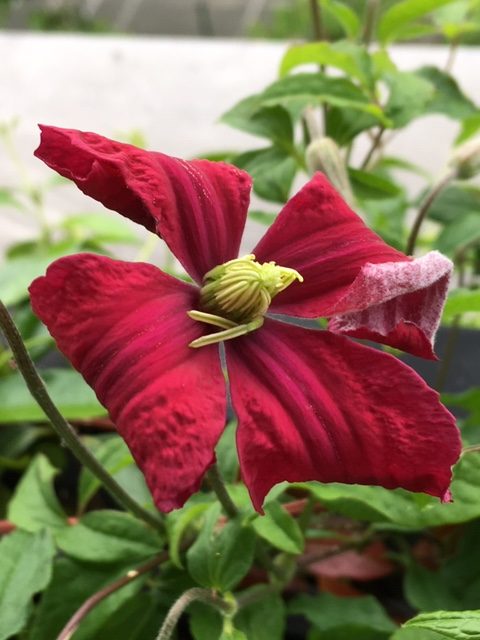
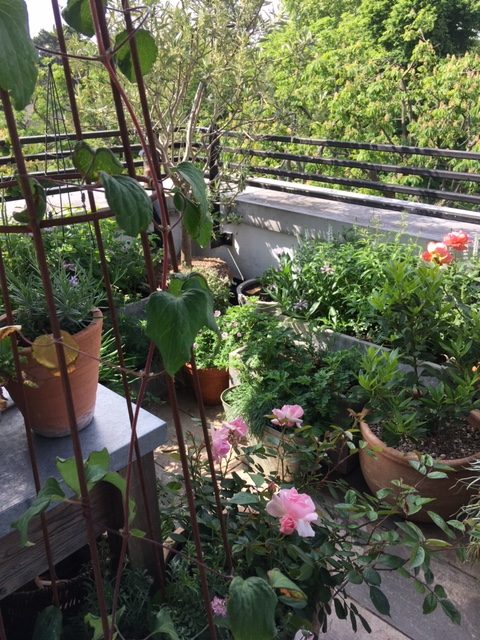
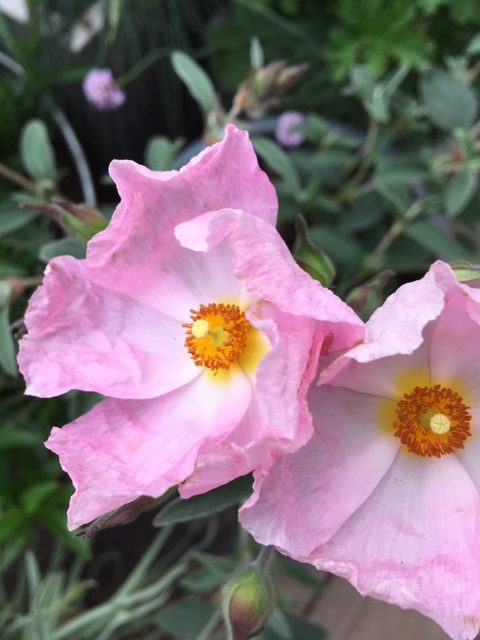
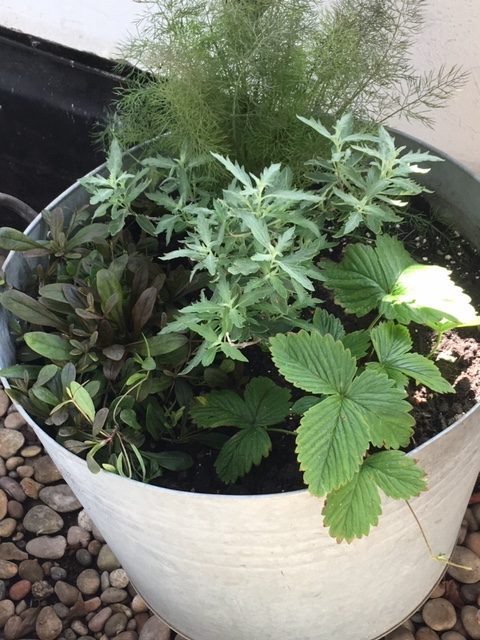
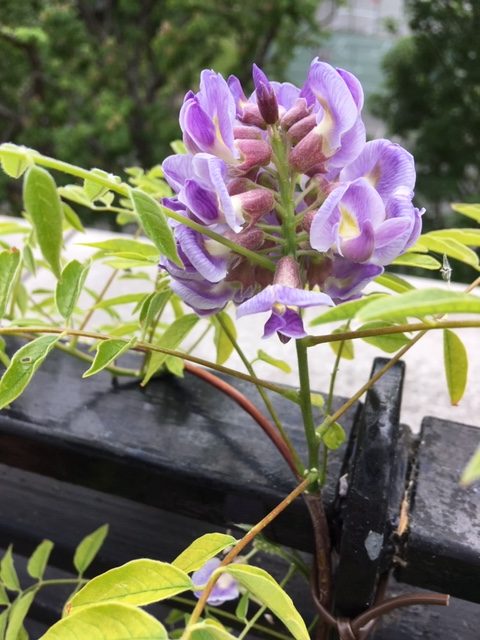
Thalictrum (plural thalictra) are a group of plants I have only recently discovered. Having made the dicovery I then acquired a few thalictra(ums) delavayi without grasping that they are tall plants (growing to over a metre), shade preferring, late summer flowering, and probably much better suited to expansive planting, but having silvery green leaves and purple lace flowers, undeniably tempting. So a year or so ago I bought three or four, planted them inappropriately, enjoyed them, and having discovered my mistake then expected them to fade away. But in their meagre pots and containers, both in the sun and the shade they determidly come back. I am delighted and rather surprised and will now leave them alone as they seem to be doing rather well.
The overall effect at the moment is joyous as flowers are emerging every day, the greenery is abundant and it does feel as though the planting in some way combines to form a whole, although I’d be hard put to say why or explain how. Even through the windows and doors (sadly nothing as sophisticated as bifolds or tri-folds but rather paned glass) there are, mostly, glimpses of interesting plants, including strawberries with promise, and greenery of all sorts. But that is not the whole picture and as ever there are some plants, as well as one area, evidently in transition, which at the moment seem rather incoherent and charmless.
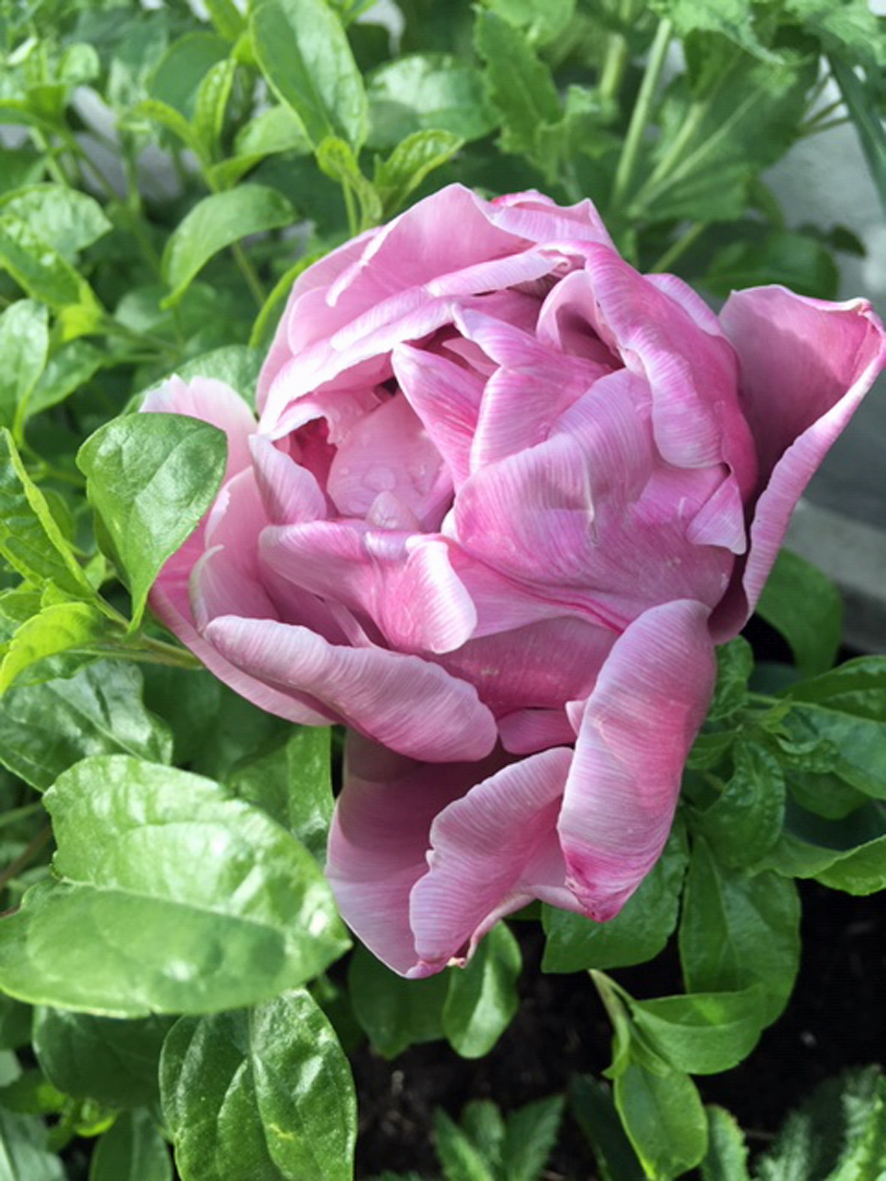
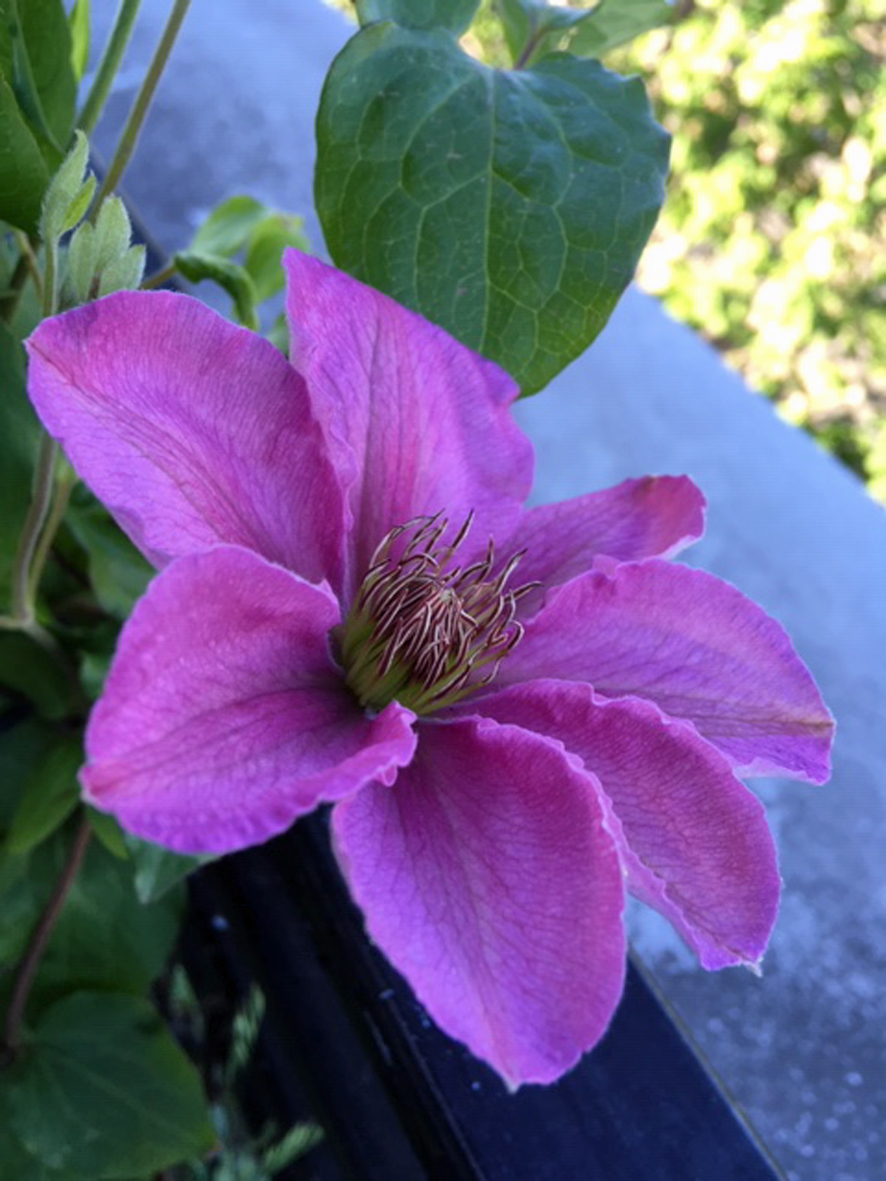
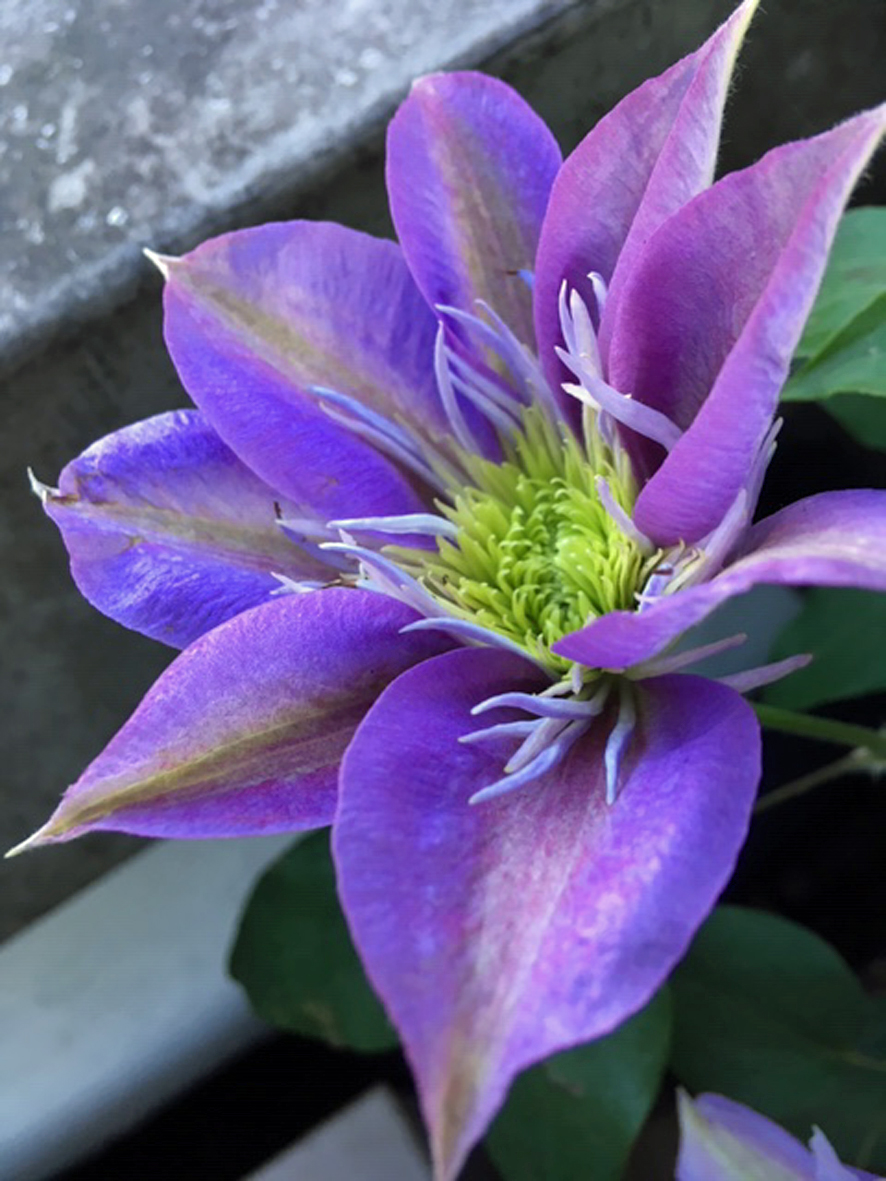
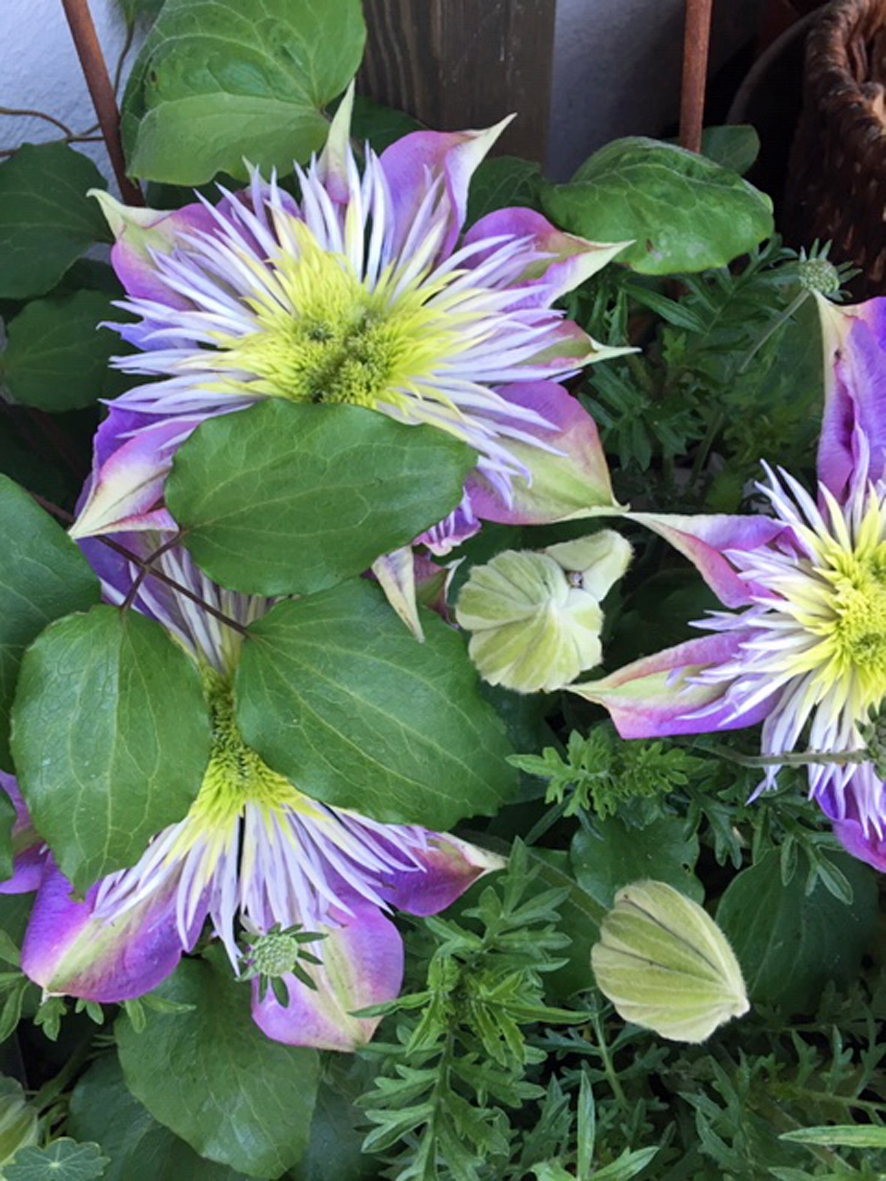
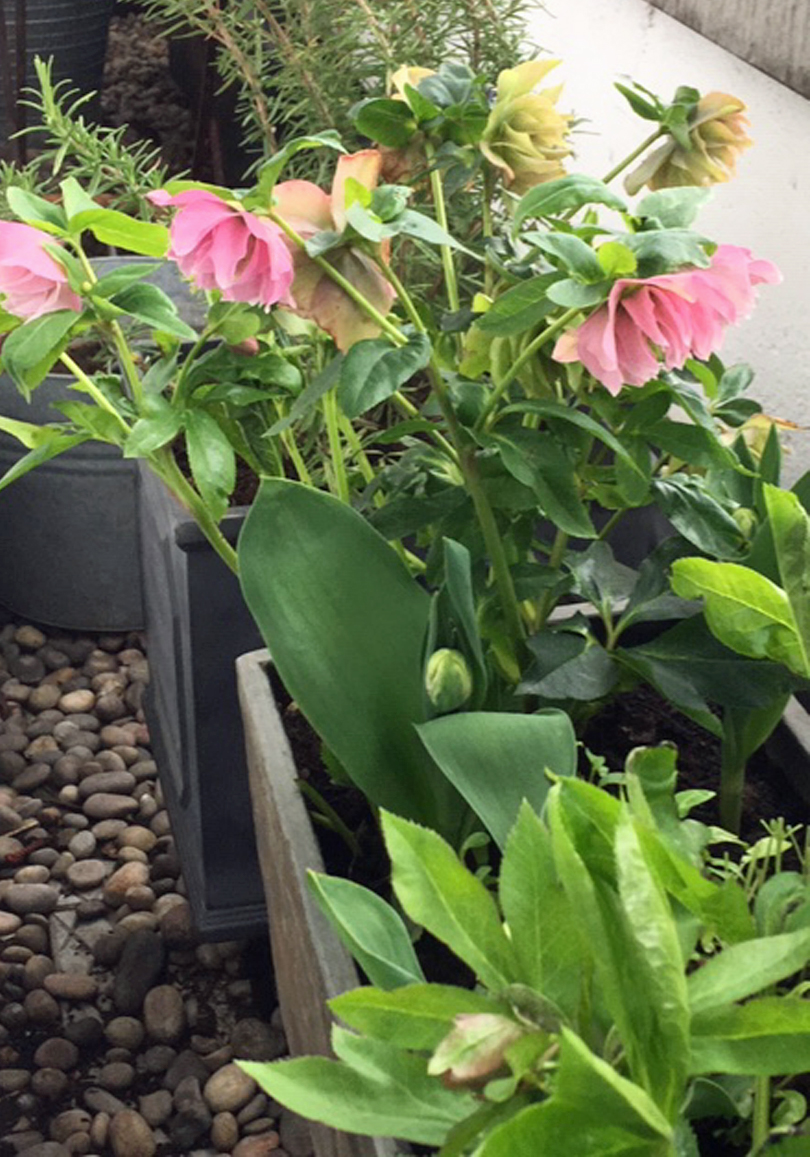
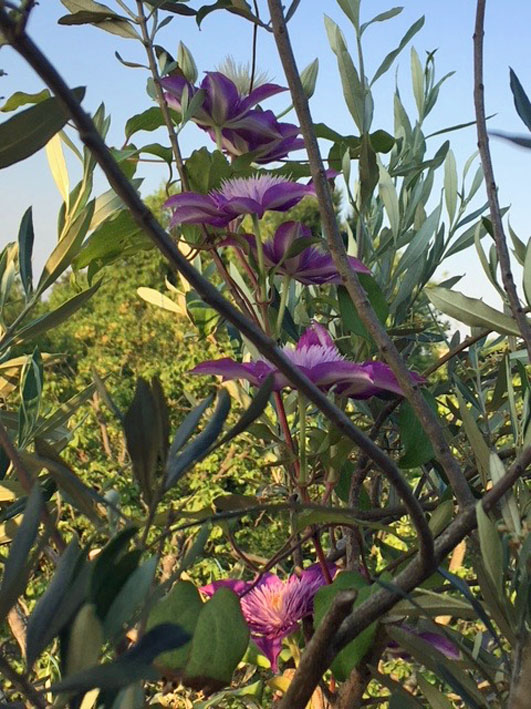
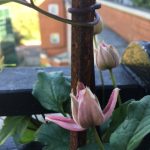
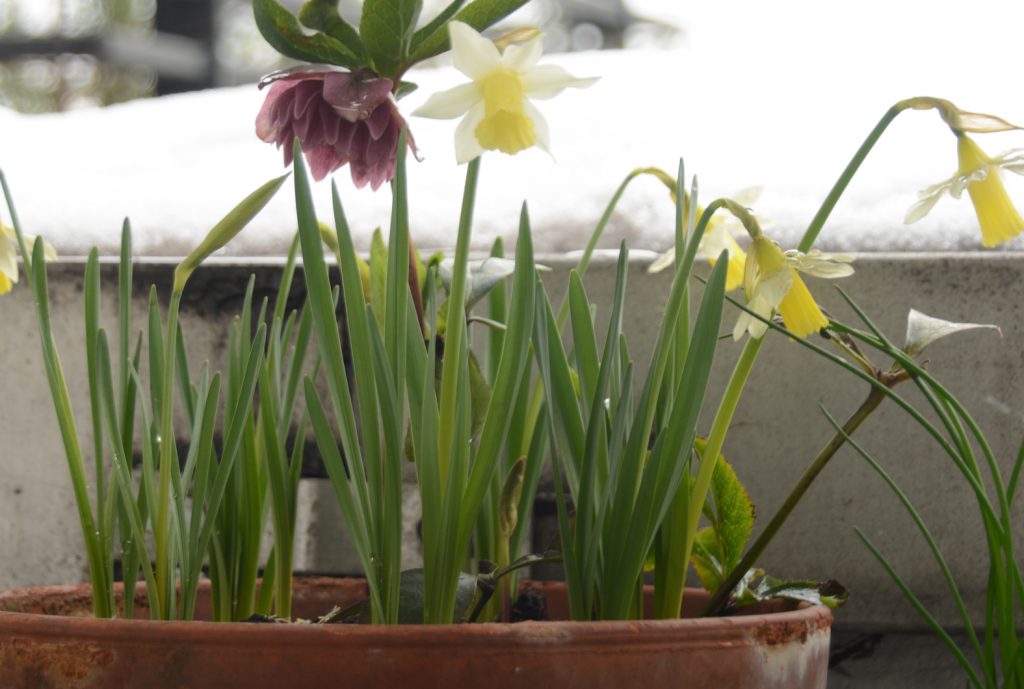
The outlook from the sitting room has been charming, giving months of pleasure while the helebores tumbled around amidst the shorter lived tulips, and it will be again when the salvias really get going. But regrettably, although the outlook is dominated by a vigorous elderly clematis, with splendid flowers and a determination to provide wonderful colour and interest, the supporting act is letting the side down.
I am waiting expectantly for the next phase to begin, when the white flowers and powerful scent of the city favourite Trachelospermum jasminoides gradually overtake the fading clematis, and for a brief period the two climbers co-habit and compliment each other.
All very different from a Chelsea show garden, which in addition to the artistry of the designer and the experience of the constructors, benefits from the knowledge and knowhow of the plant nurseries detailed understanding of different designers’ requirements and the neccessity to hold back or advance the emergence of particular flowers. Growing conditions, including soil type, humidity, light conditions and temperature are all skillfully managed, or manipulated, to suit the final display. The significance of the gaze from above or within is not a new concept and of course varies in scale from Le Nôtre’s ambitions for Versailles, to re-arranging a terracotta pot outside the bedroom door. However, I still find myself oscillating between the sure and certain knowledge that in any one year there are always some plants that are an unexpected success and others that have a disappointing season, while still occasionally hankering after and wishing that, for once, it could all look at its best for one glorious moment.
Gardening notes
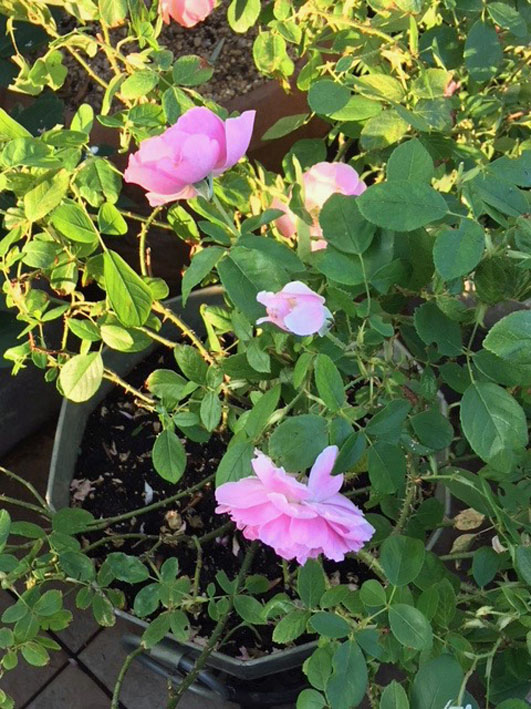
Planting a ‘china’ rose in an oversized container, in an Easterly aspect, trapped below the surrounding parapet wall was a mistake.
Clematii on the other hand love the sunny, windy aspect with their roots below the same surrounding wall, so perhaps another clematis and a new obelisk, purchased this time as I don’t have any spare trees looking for companions, is the answer.
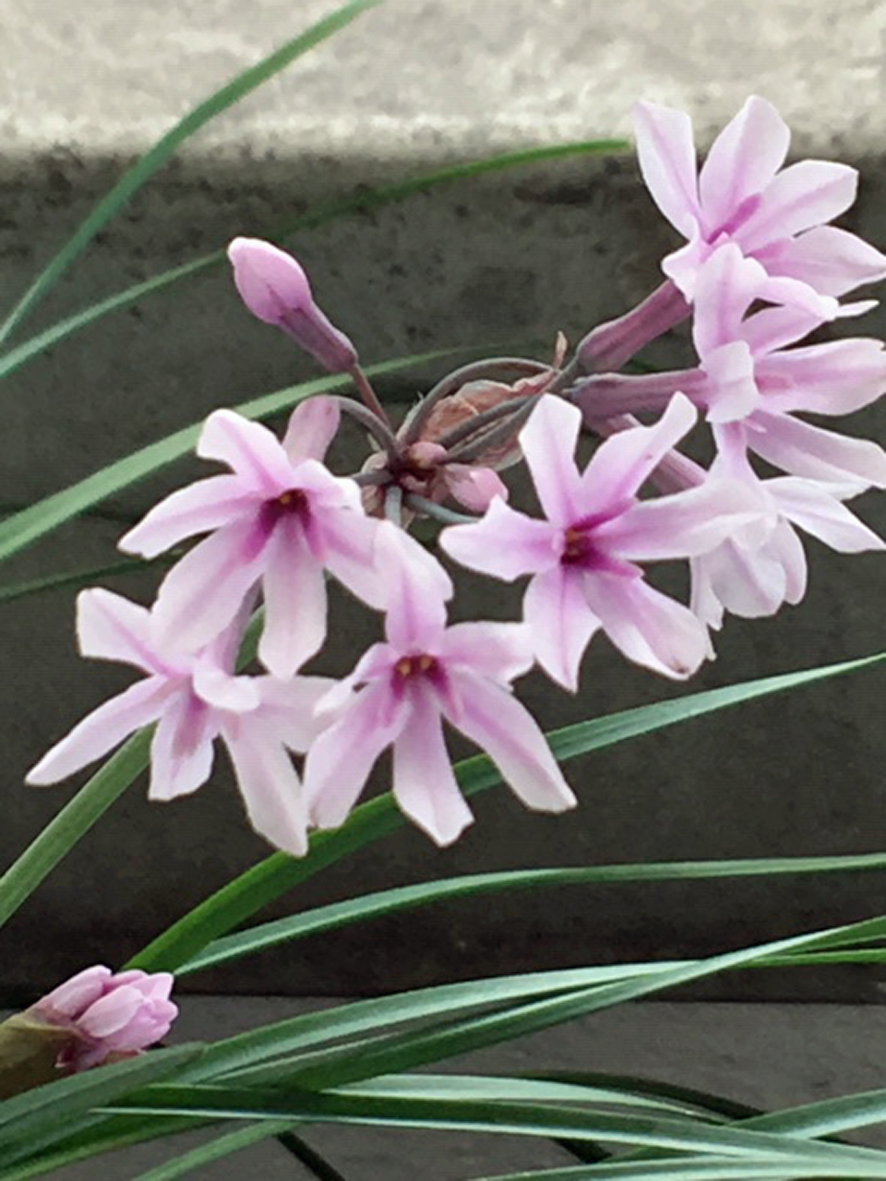
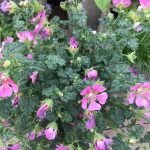
And I will expand my collection of Tulbaghia whenever possible – unfussy and well adapted to my high rise roof garden, and with an exceptionally long flowering season and delicate flower heads which weave in amongst other plants, they are reliably happy hereabouts.
Knowing the while that a container garden is temporary, and like a show garden will one day be dismantled and packed up, but for the moment rewards all the effort.
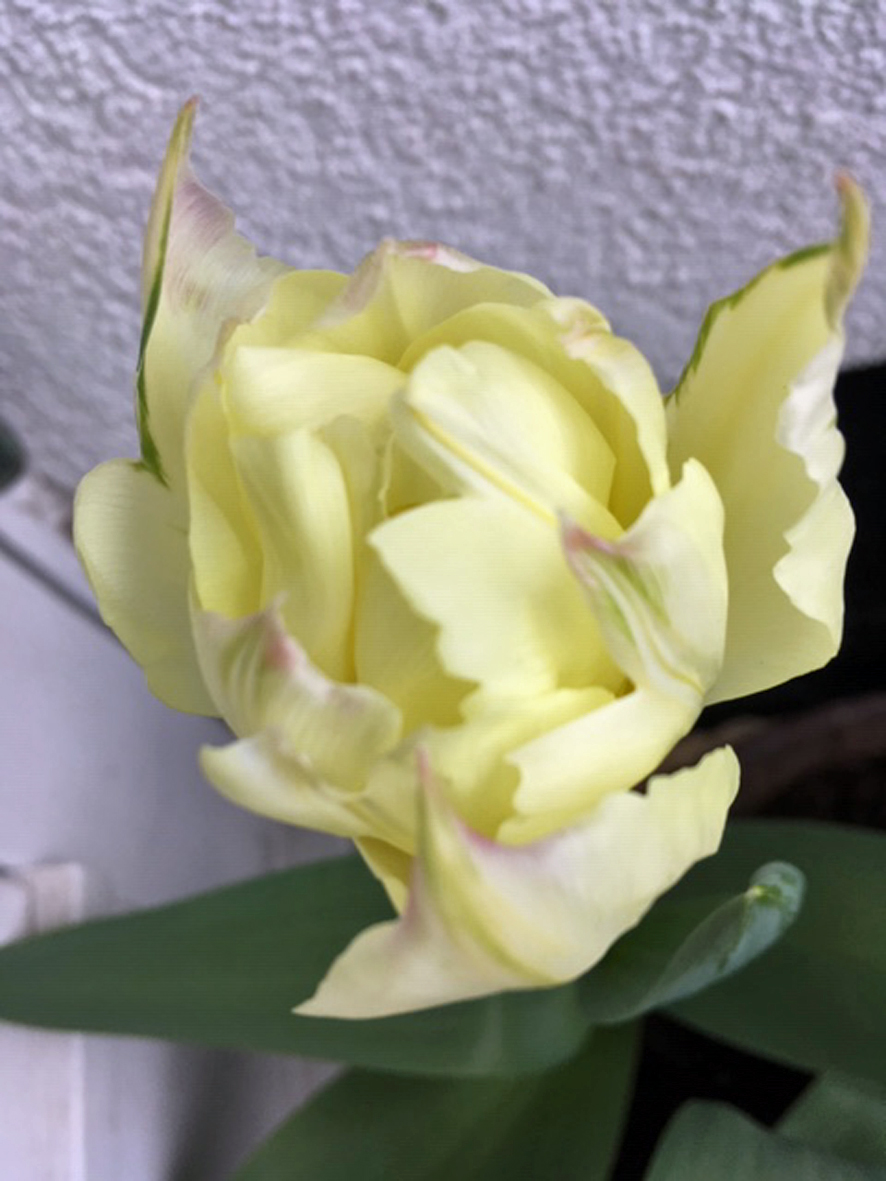



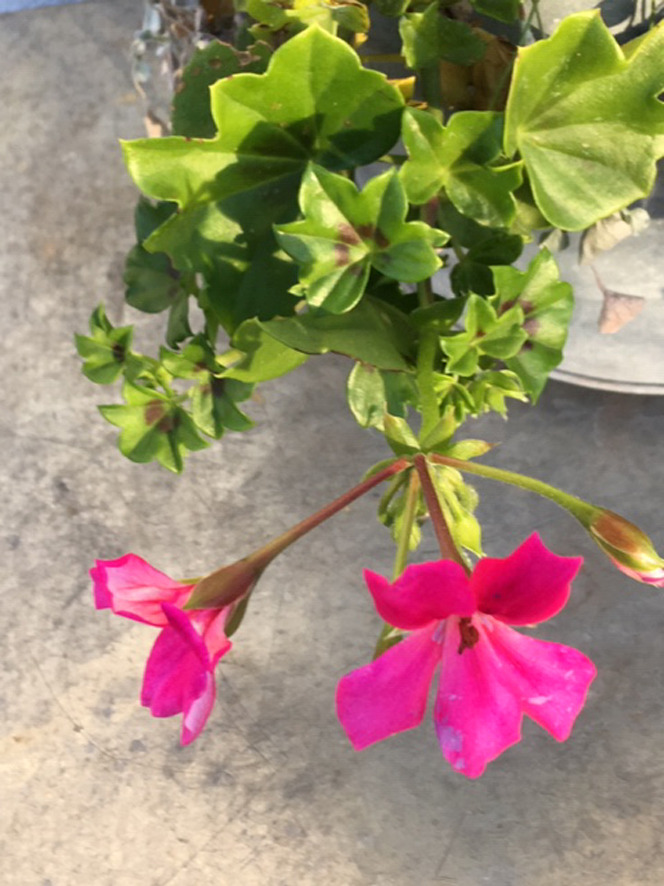
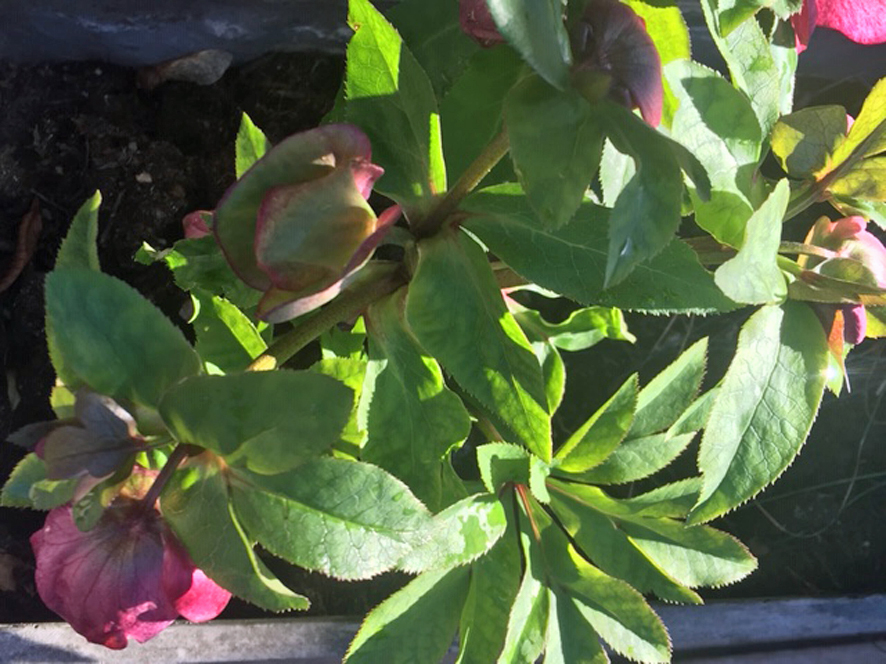
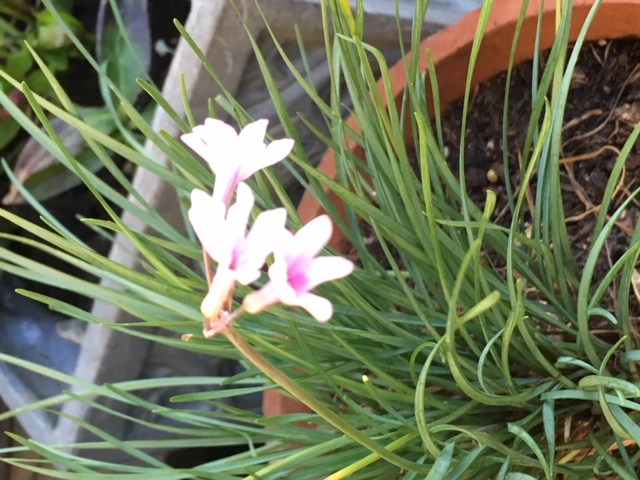
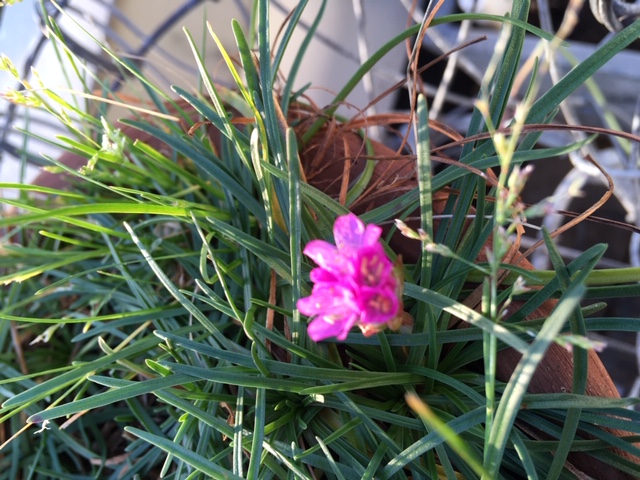
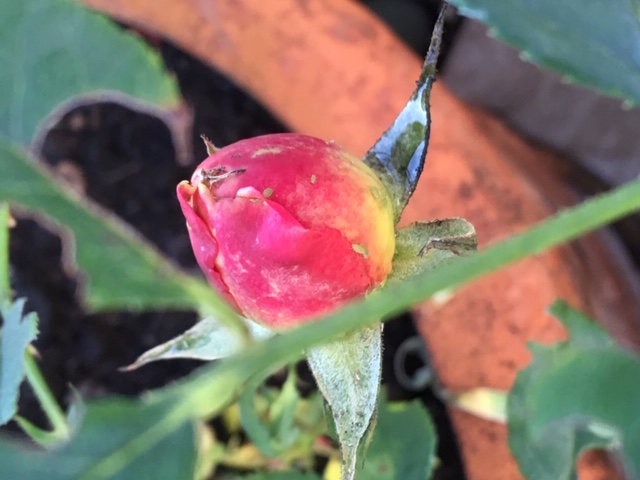
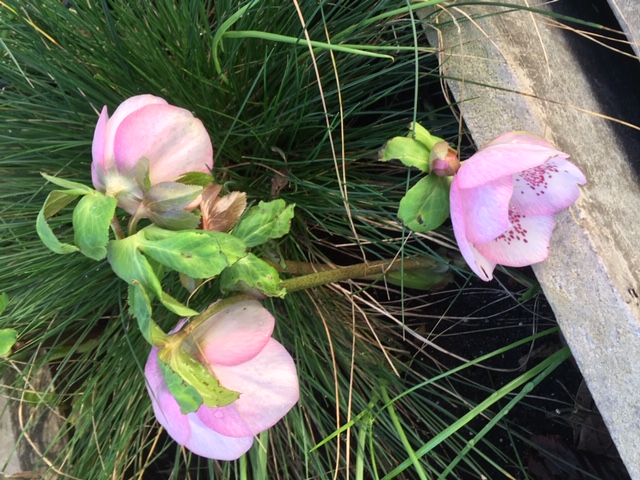
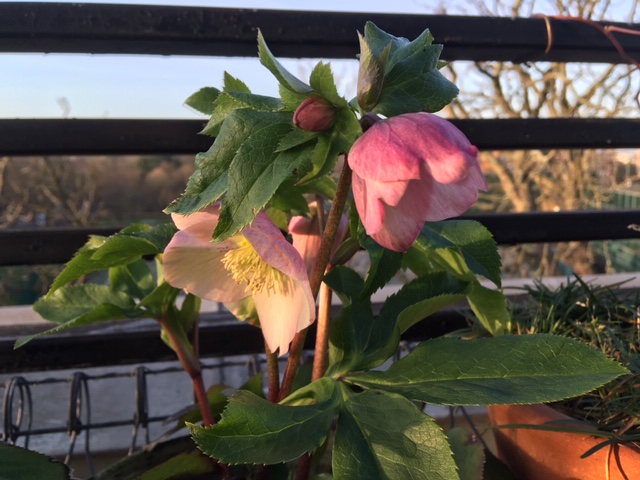
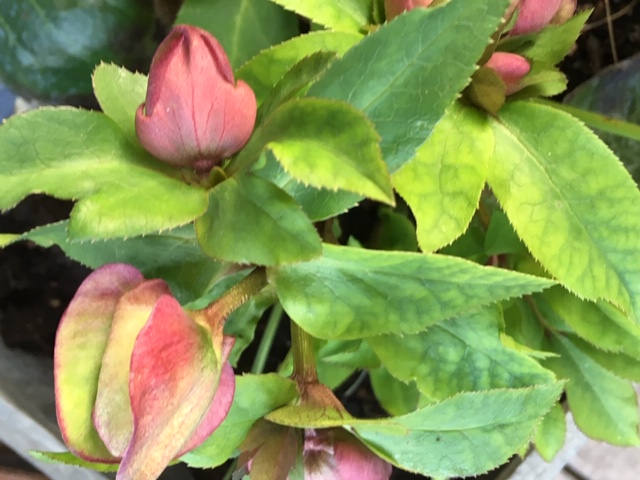
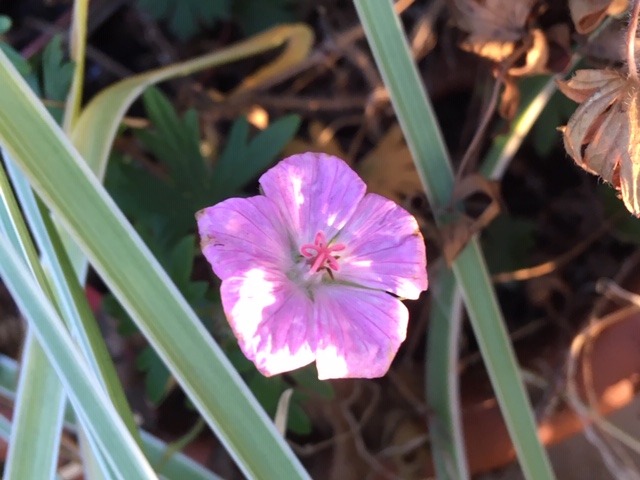
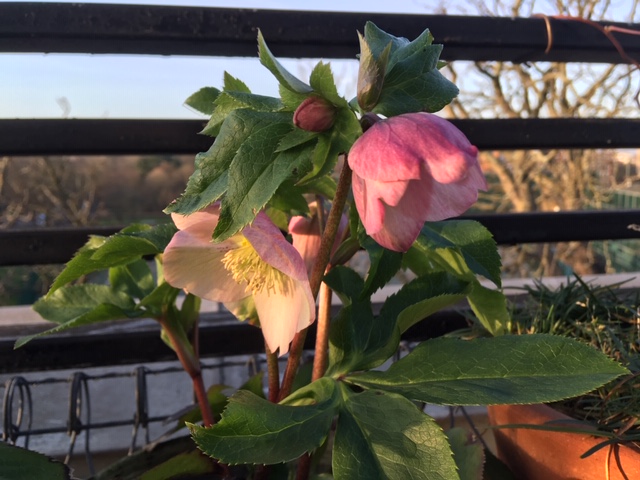

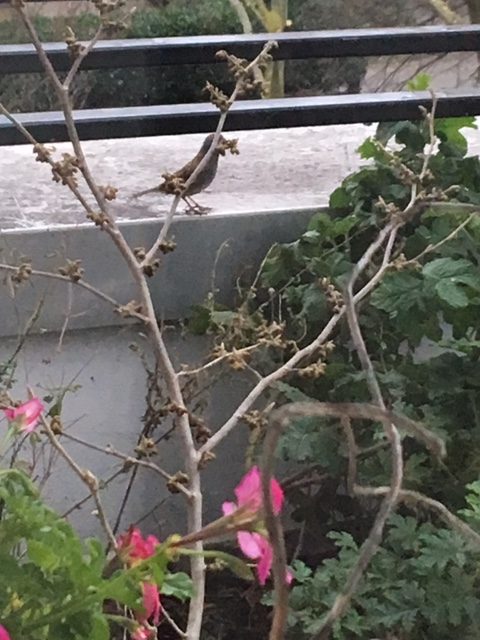
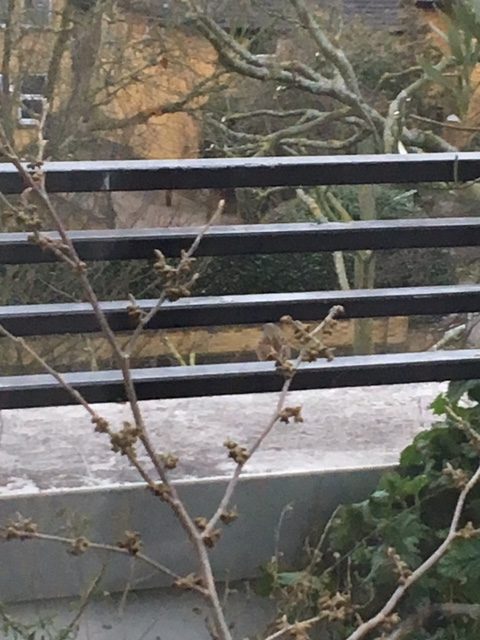

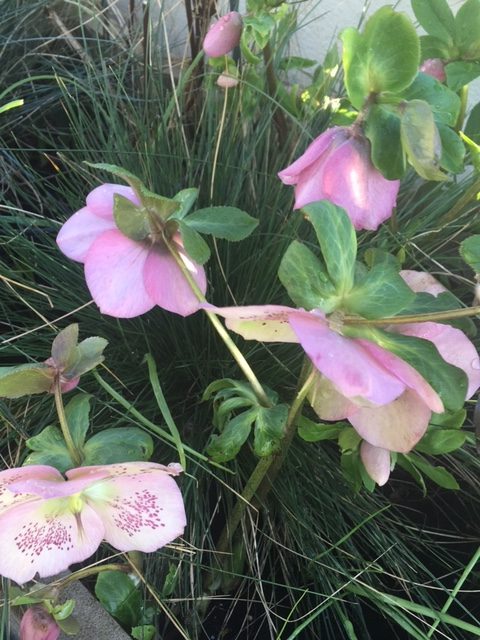
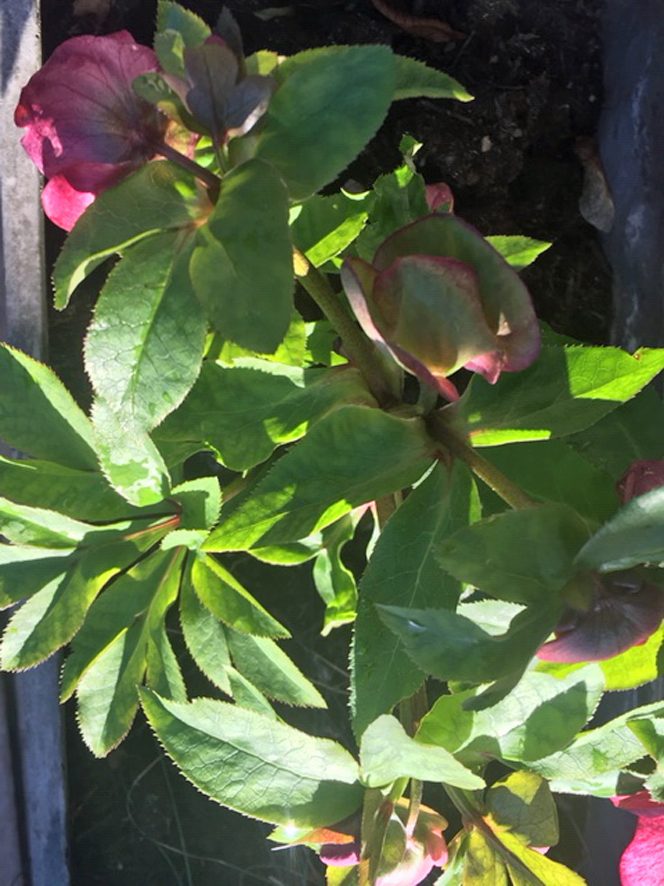
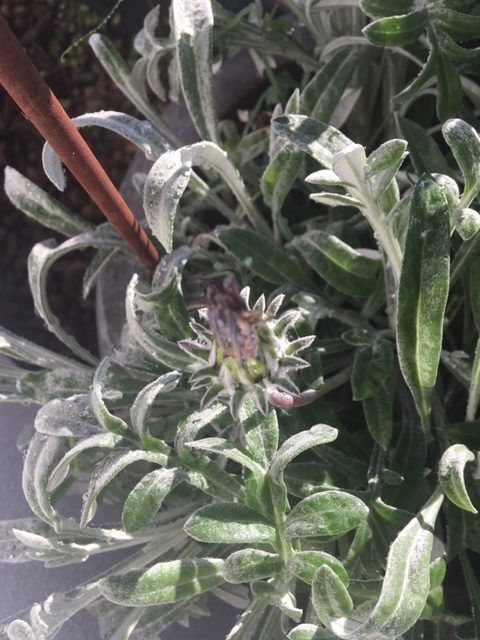
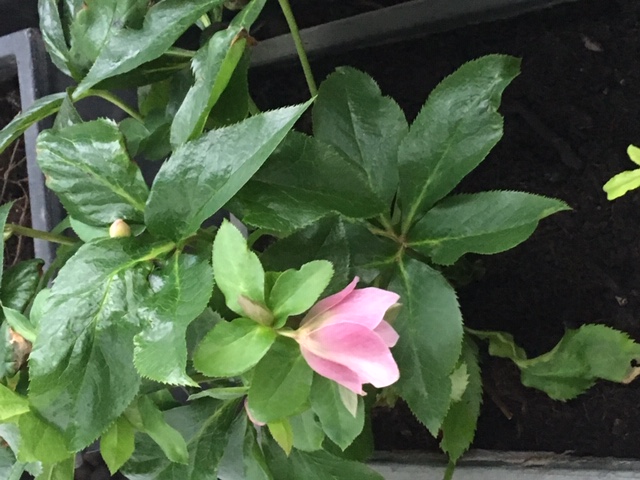
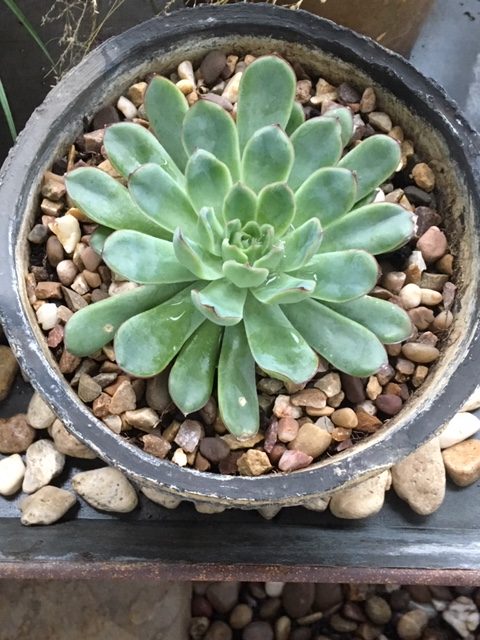
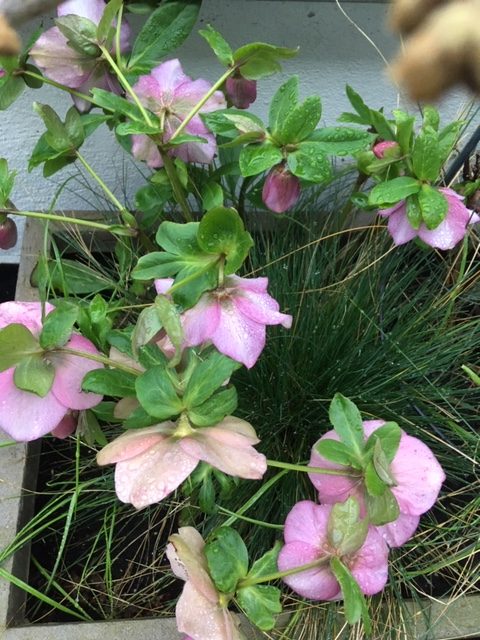

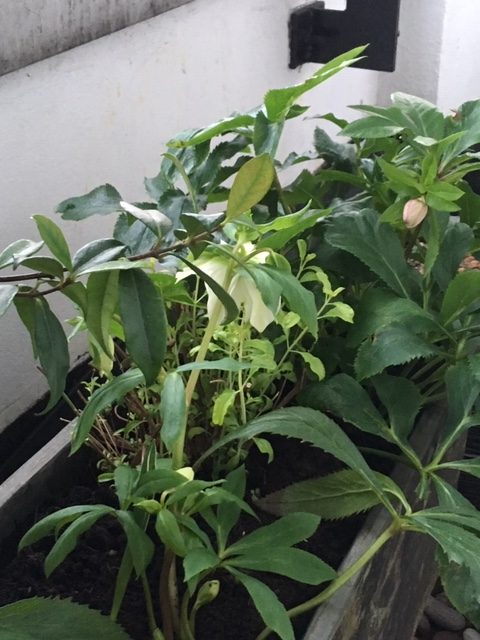
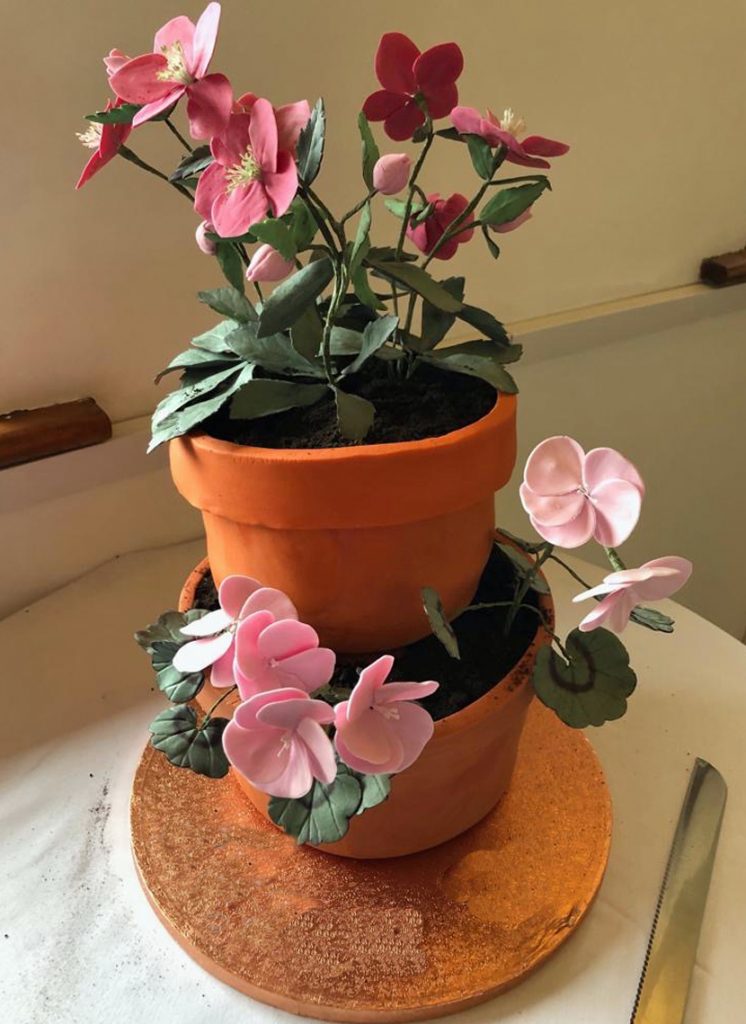
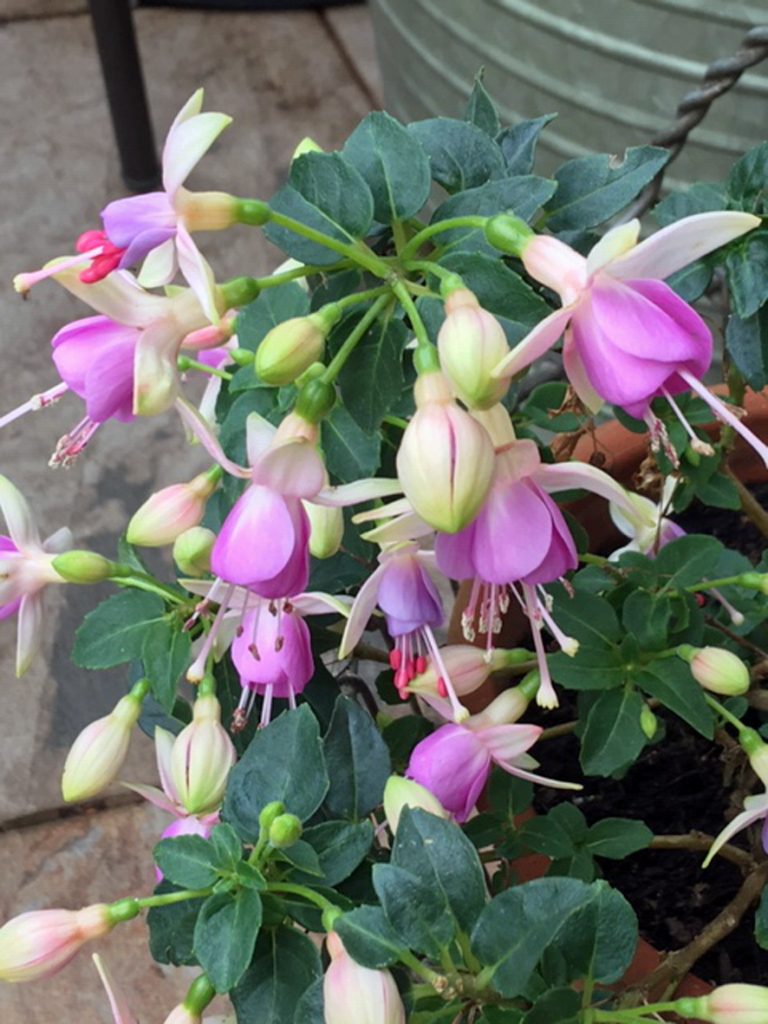
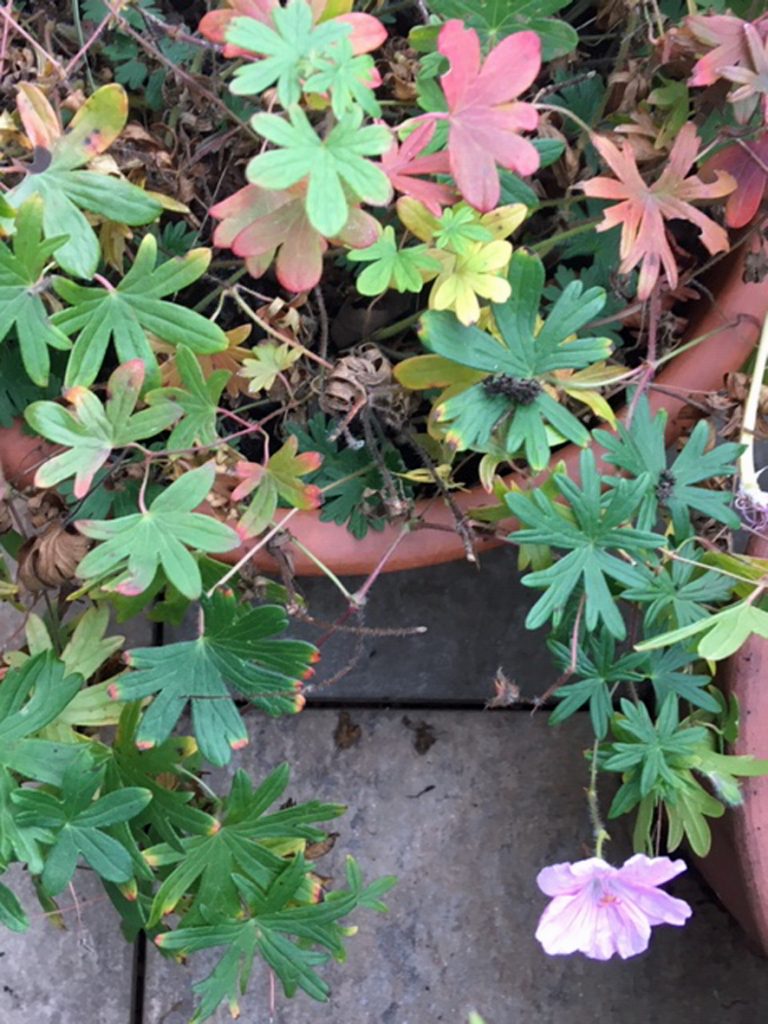


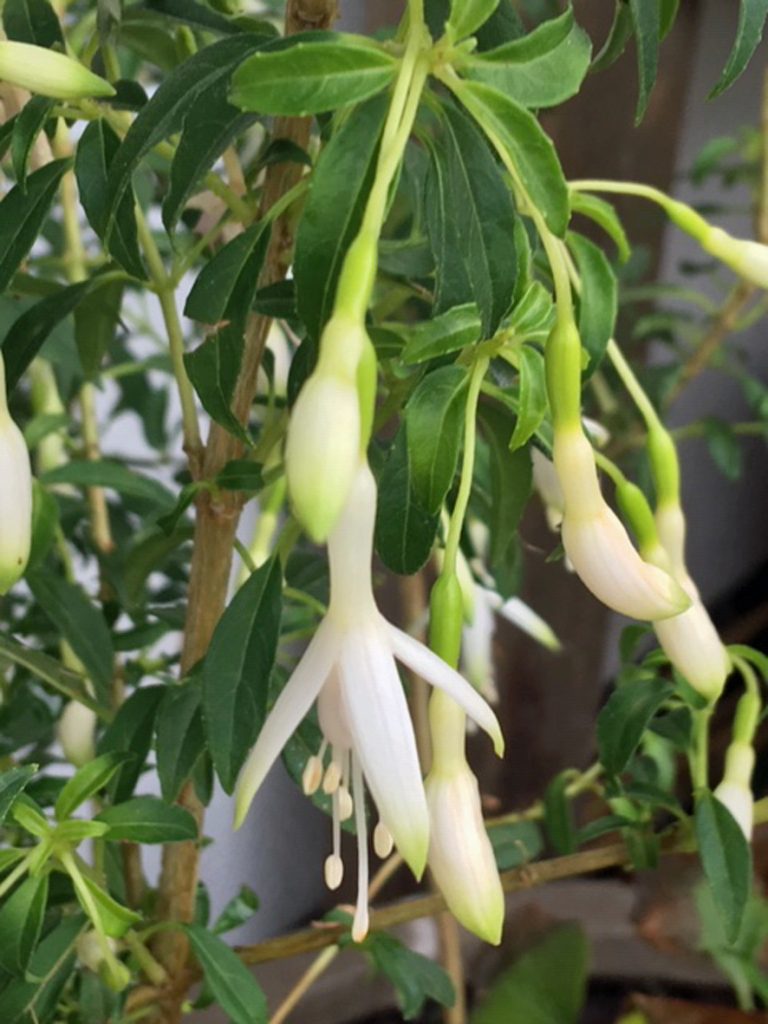
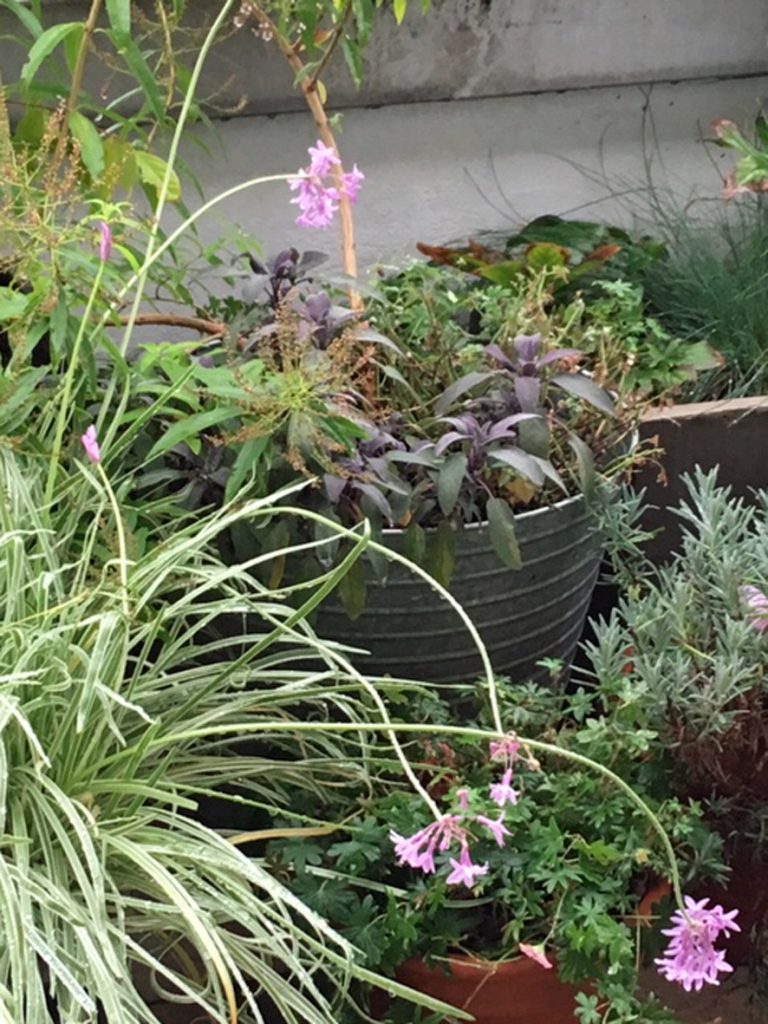
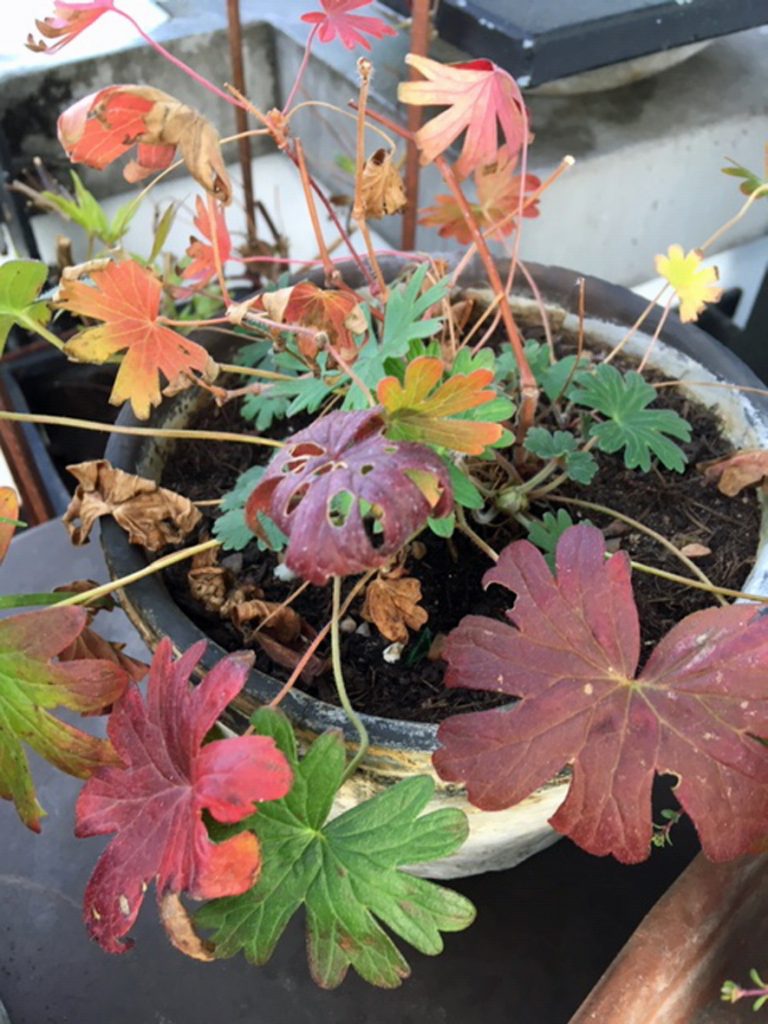
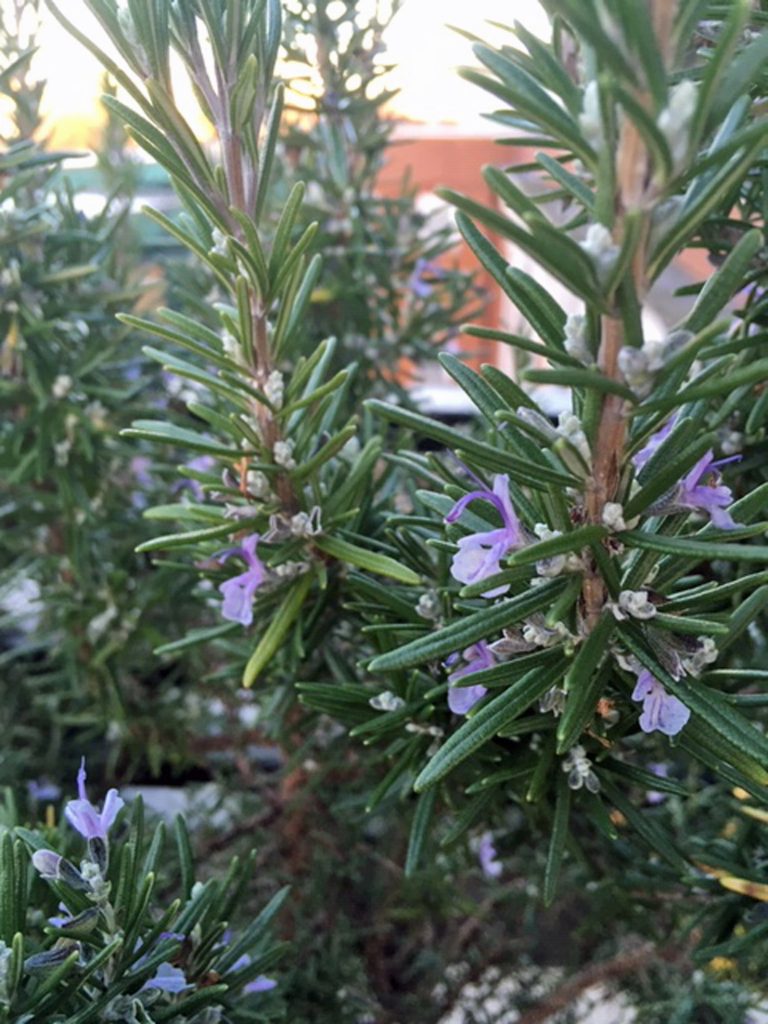
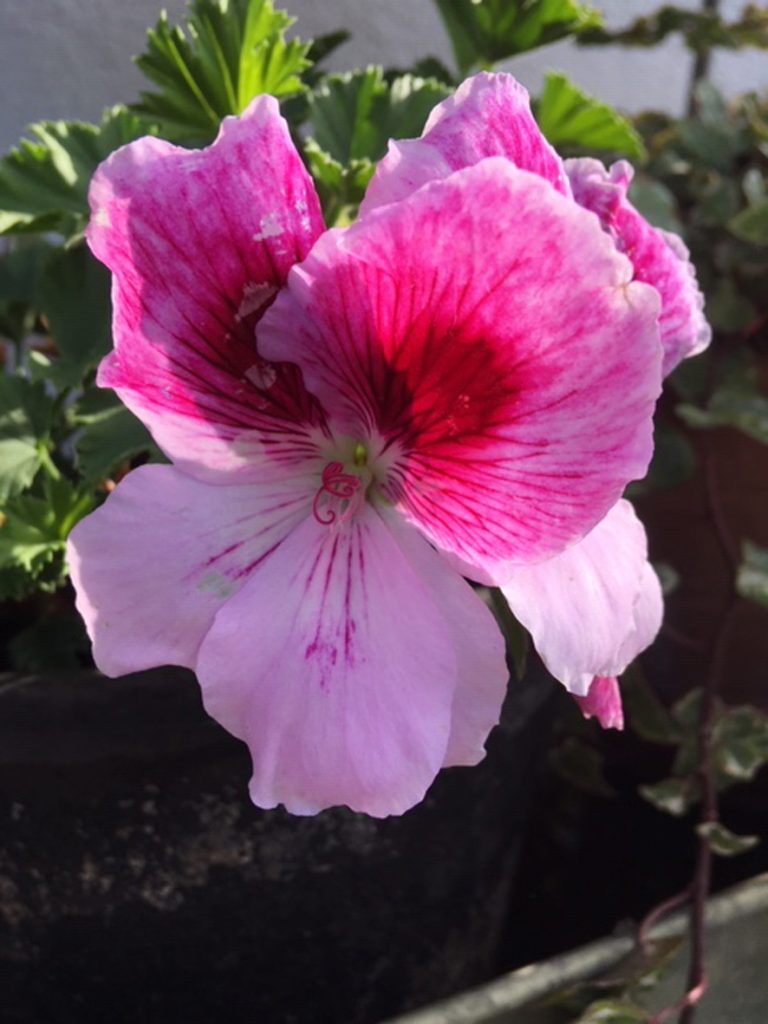

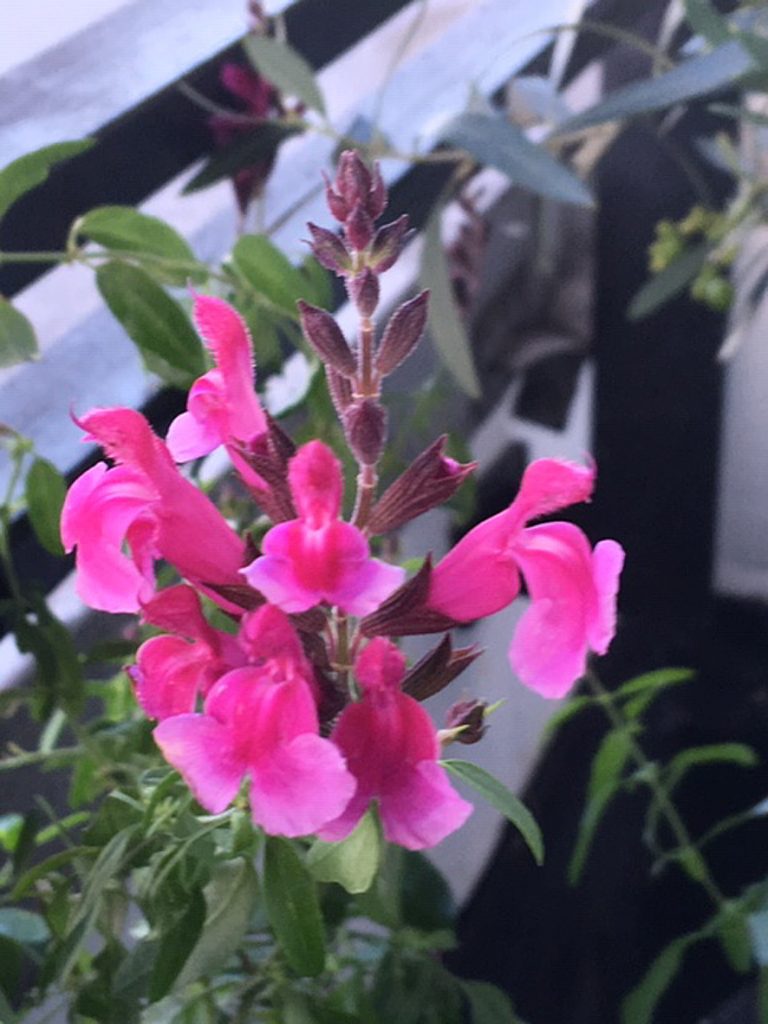
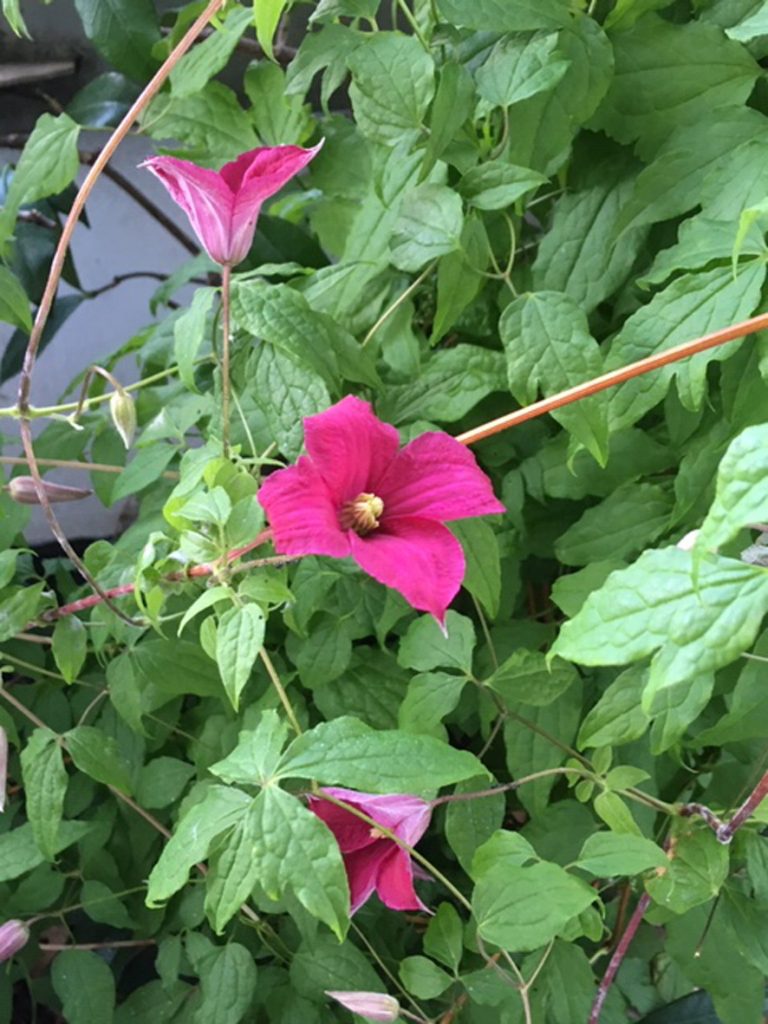
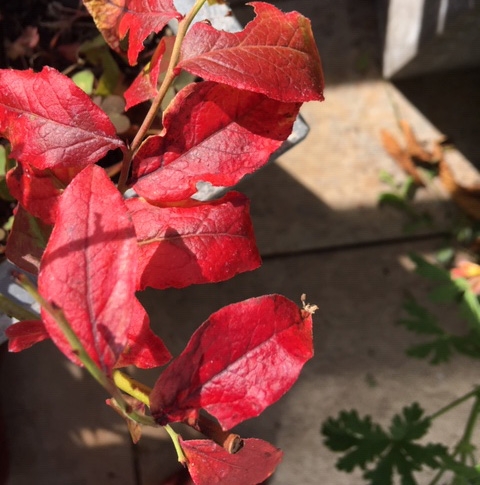
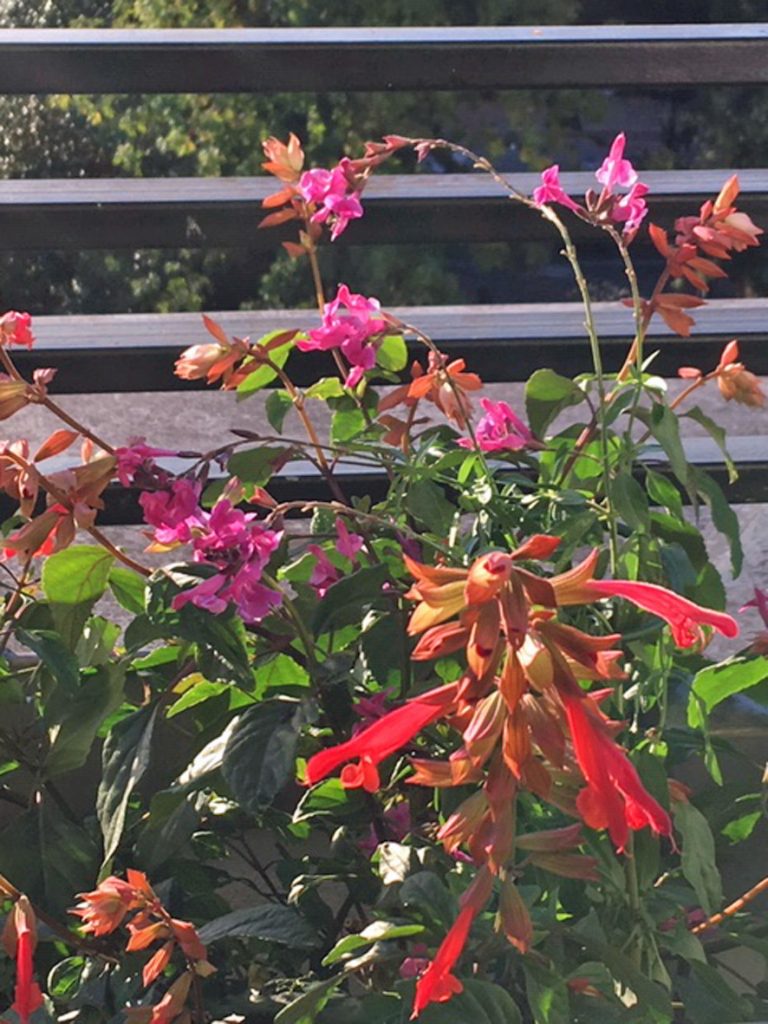 carefully considered pot-pourri but I was looking for shape and texture as I moved things around and then discovered scent.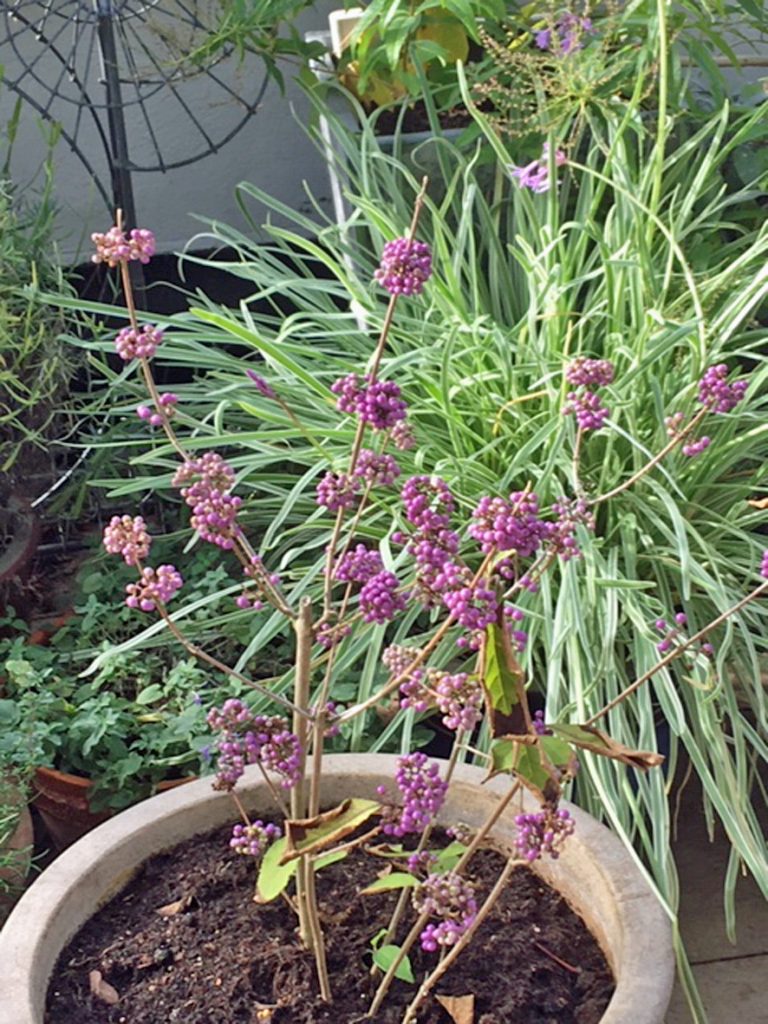
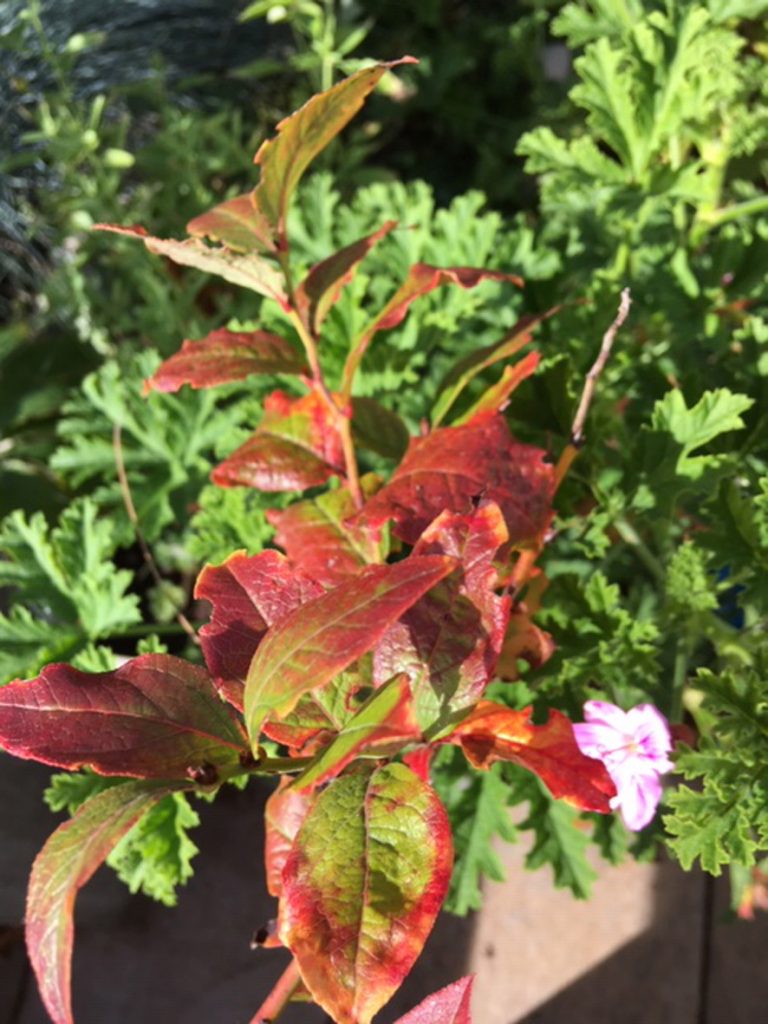 flowering are generally the governing principles but I’m not quite sure why I bother since as I have mentioned before, when it comes to planting I put them where I can and the carefully planned schemes are quickly abandoned. The results of impulse buying might I think, be just as pleasing, although first choosing and then planting does hold out for the possibility of another year, another season, something to savour, not to be rushed.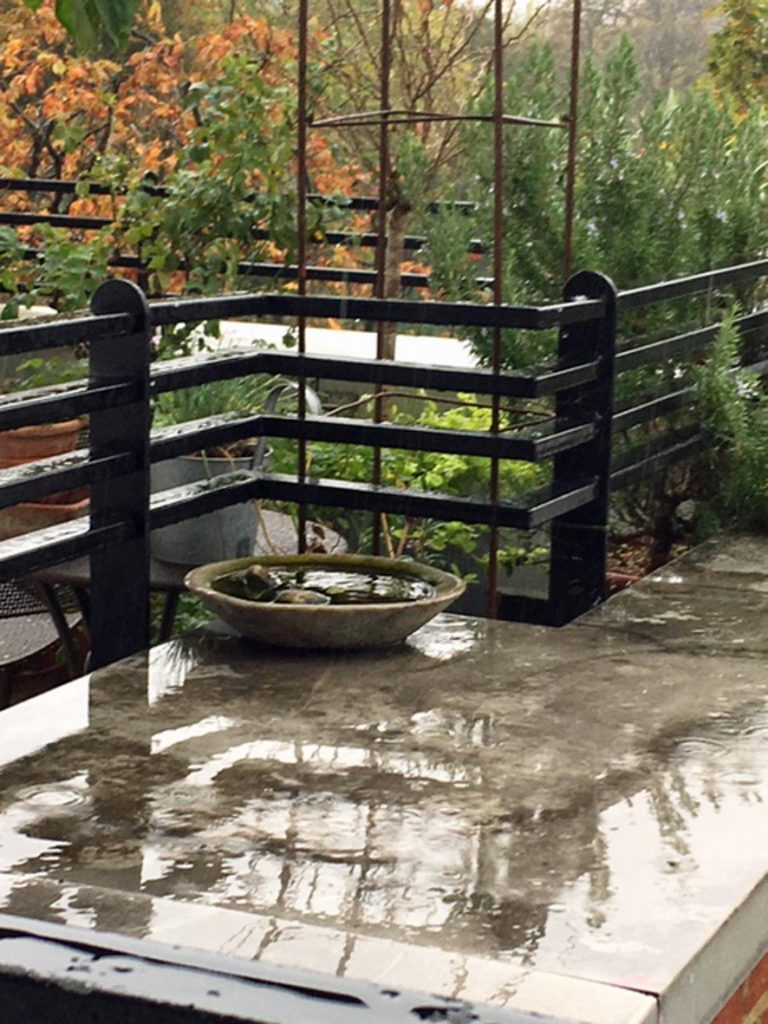



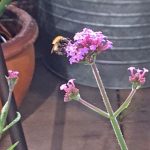 nd wild life need plants.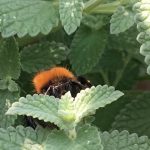
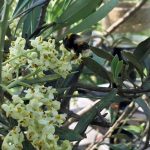
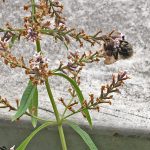 defying and photogenic visitors. My plan is to learn more about them since there are twenty-four varieties (or twenty-five apparently if you include the re-introduced ‘Short-haired bumblebee’) of which I understand only seven or eight species are widespread and abundant. Next year I plan to linger a bit longer and take greater note of my particular bumbles and their distinctive features. I may then go beyond my rather limited classification into ‘big, fat bumbles and the rest’.
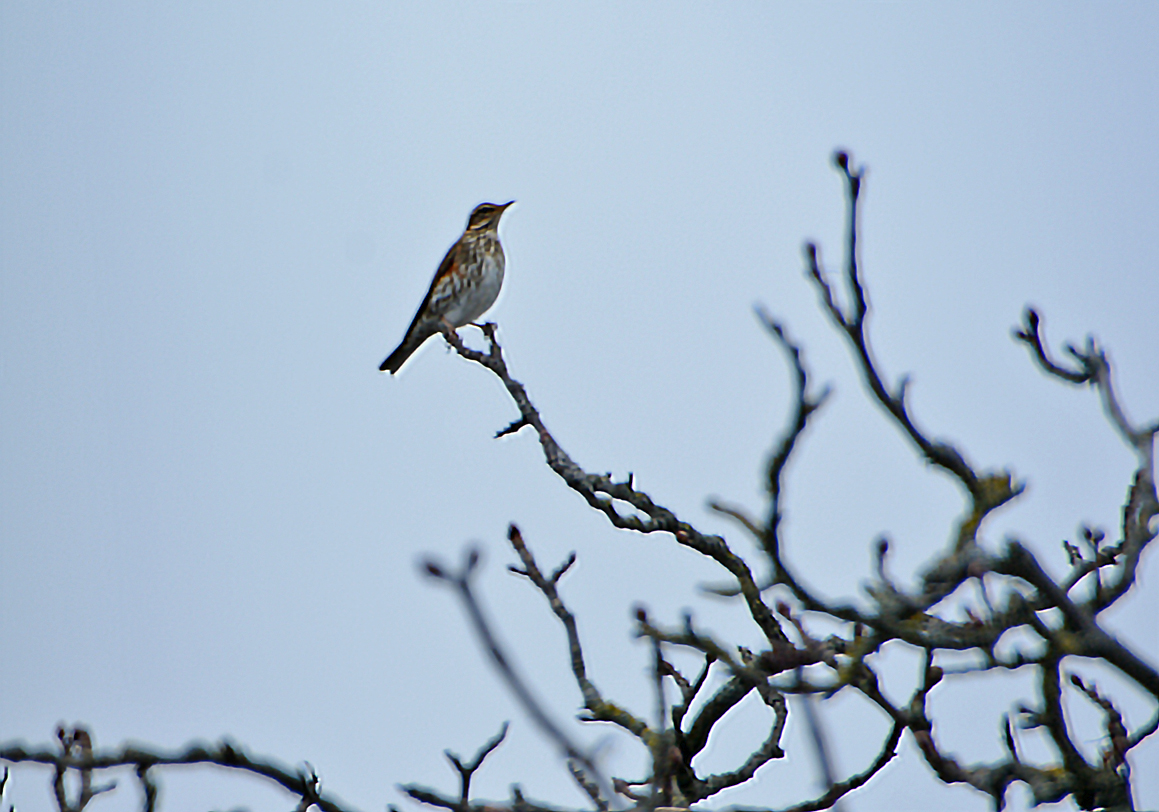
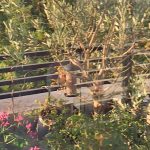 horticultural management has been plenty of pollinators, with birds the story has been rather different as too many displaced feral pigeons, unsettled by nearby building works, gradually took over the water bath and food supplies as summer hotted up. Only the tits, camouflaged in the olive trees, survived the cut backs and continued to enjoy the peanuts, together with the occasional nuthatch in transit.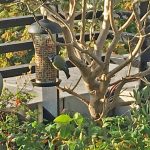
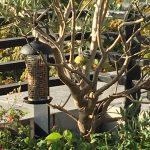
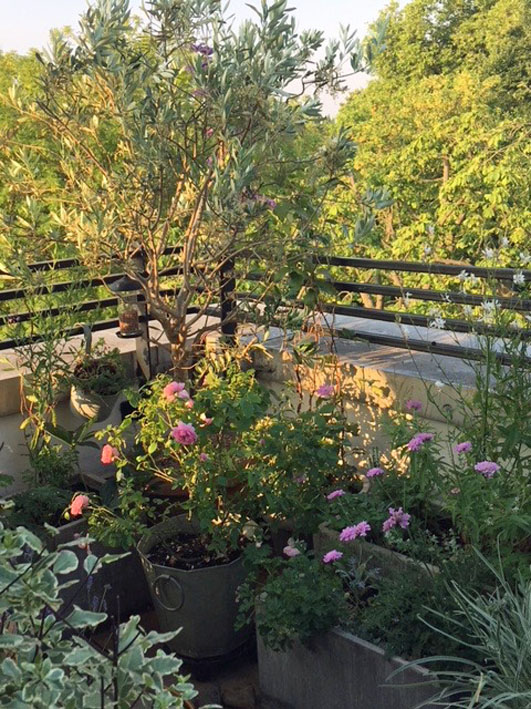

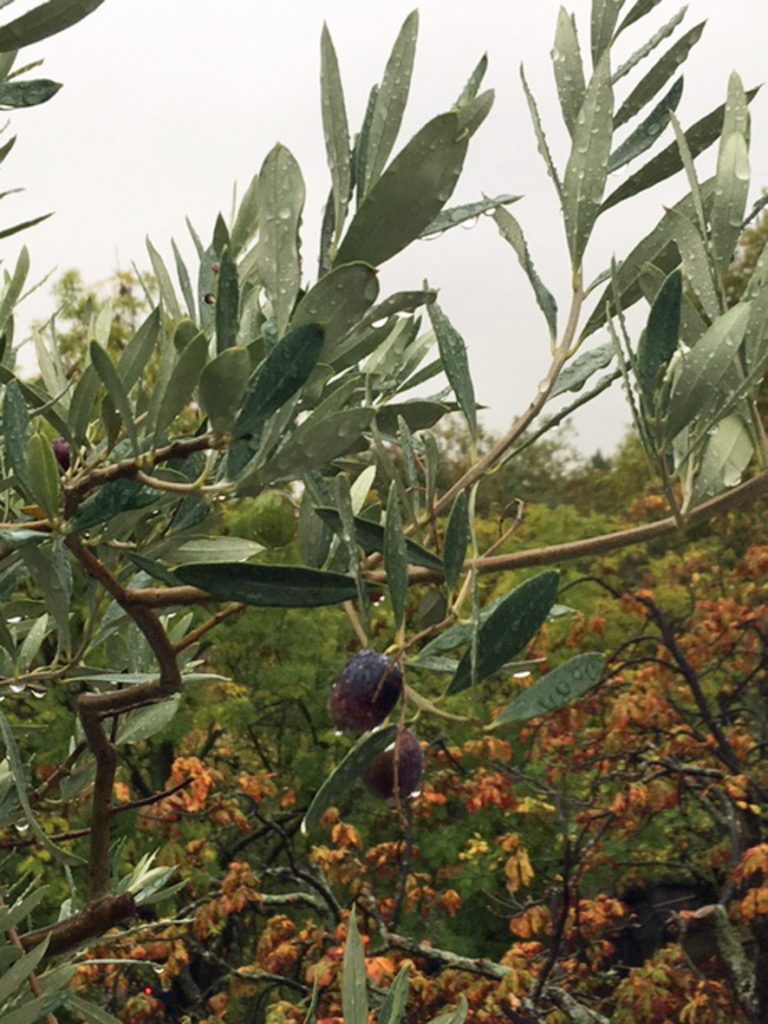
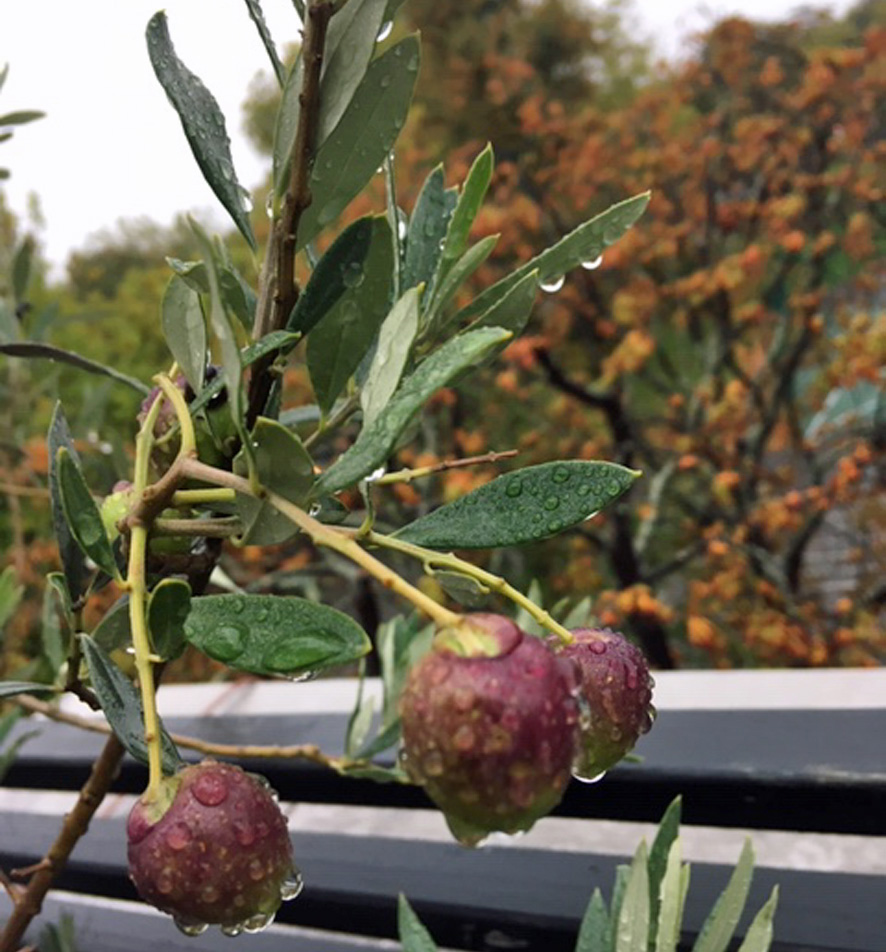
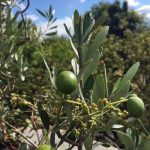 e chance to linger on the sun baked balcony, nurturing the illusion of being part of the ‘olive belt’, has now gone, with the arrival of forty-eight hours of memorably heavy, albeit intermittant rain. The high rise olives are actually heavy with fruit, which used to be a popular treat favoured by the West Country tits. However, although the trees have made the journey east to the Metropolis and are happy aloft, the local birds, tits of all sorts, although regular visitors, seem to prefer peanuts to olives and leave the fruit to first fatten and then drop.
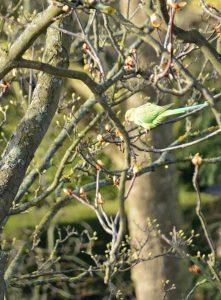
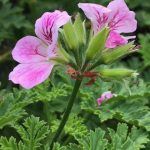 the occasional murmurings of Radio 4 breaking the sound barrier, although frequently much too hot to linger beyond essential maintenance. While aloft on the balcony the scene has often been alluringly beautiful as flora and fauna happily mingle in the sun, but particularly at week-ends, the calm is often interrupted by deafening noise as motor-bikes roar south, leaf blowers at the nearby school come into action and builders up the road work overtime. All accompanied by the shriek of parakeets.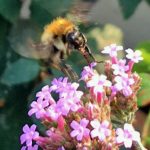
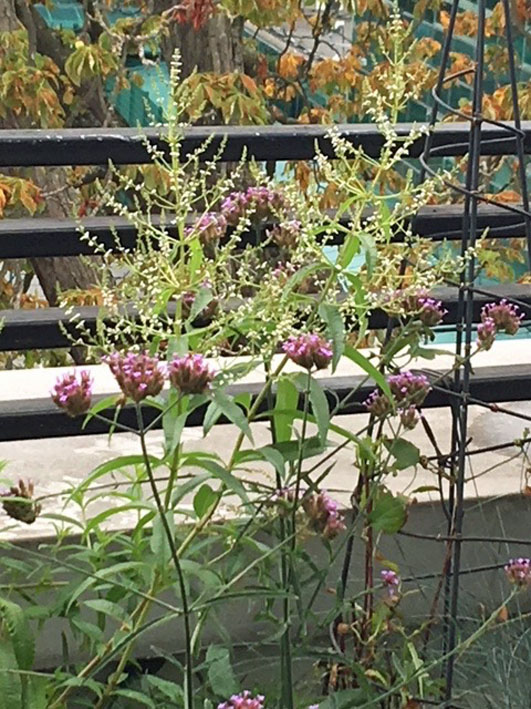
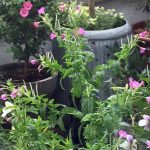 dical ailments by trying too many different remedies which only confuse the picture, so too with this herb, which is still in need of an appropriate herbal remedy. However, I have been wonderfully compensated by the arrival of another ‘weed’ which now stands at over two foot, gives the bumble bees a treat whenever they are passing, and faithfully offers beauty and abundant flowers week after week.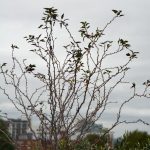
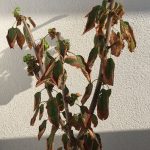
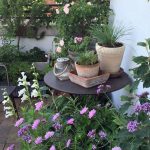 ect to provide a more secluded seating area, shielded from the wind, has only been a partial success. True it is less draughty but it is so overcrowded that anything more social than one and a half chairs is impossible to fit in – I’ve had a request for space to put a tray for drinks of all sorts, but this would involve clearing the tiny round table of plants so has yet to be accommodated, although I can see that the trade off might be worth while.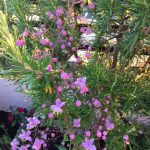
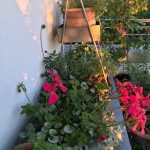
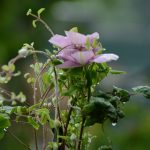
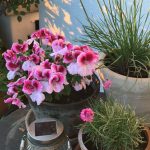
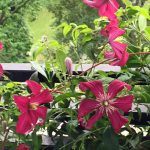
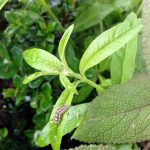
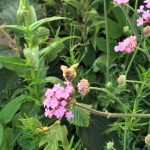
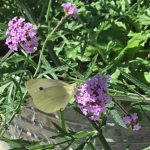
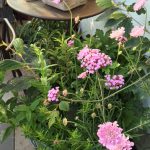
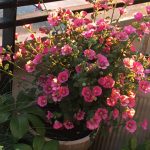
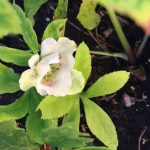
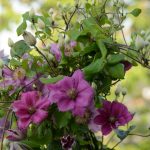
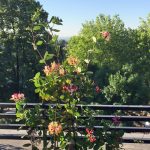
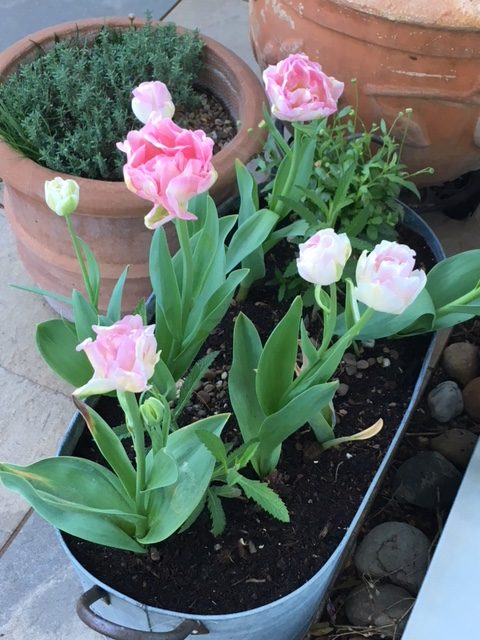
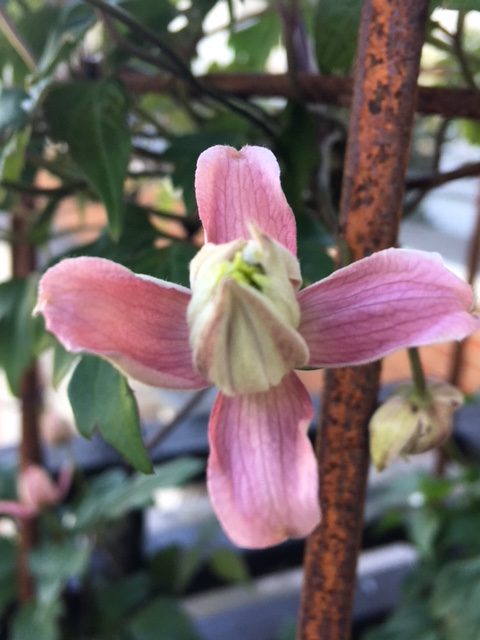
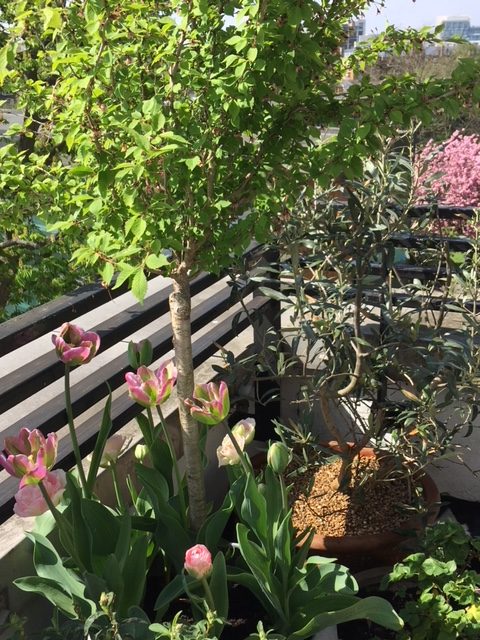
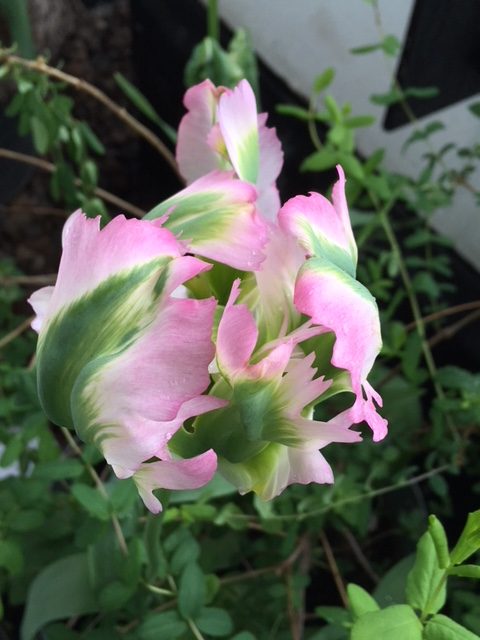
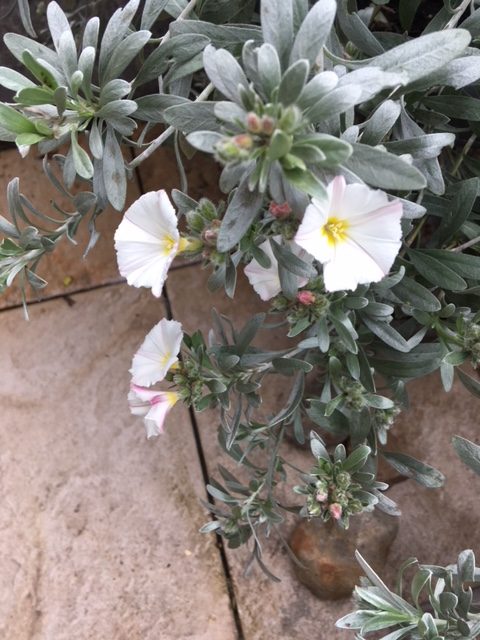
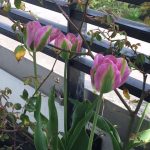 ar inventory and subsequently ordering plants to replace, supplement or for their seasonal charms. I’m no expert colourist but I know from experience that attempts to add ‘pops’ of colour require a more sophisticated gardening mind than mine, otherwise on my scale the result is the occasional irritating distraction in an otherwise pretty picture. So it is a familiar, faithful palette of pinks, lilacs and whites, with predominately silver grey foliage that I look for and like.
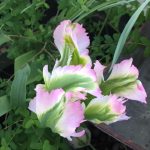 Since one way and another the plants arrive at different times, and the summer planting overlaps with late flowering Spring bulbs, there is competition for space in the already crowded containers. So regardless of ultimate height, preferences for sun or shade and better or less good associations, I put the new arrivals where I can. And surprisingly it often works. I do, however, buy with regard to some well tried planting ideas, so three of this, five of that; odd numbers being best I am told. But when it comes to the planting they are scattered more or less randomly with complete disregard to any planting scheme or plan.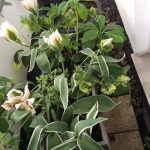
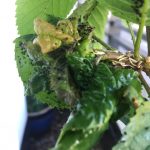
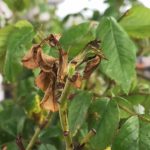 s that were beginning to make the ascent, I was looking forward to the opening buds and another generous display. It was the wrong call. The green fly spread like wildfire, and reduced the rambler and its neighbouring china rose to a disease ridden tracery. Too late I sprayed all the roses with dilute washing-up liquid, but this was initially a particularly futile attempt at taking control and restoring order, since the use of a spray bottle at altitude was immediately thwarted by the prevailing wind.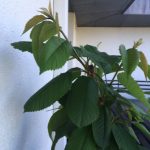
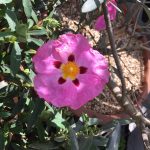
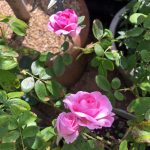 ave been enjoyed by visiting birds.
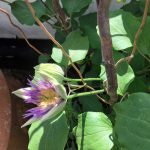 of bird-food, sun-flower seeds as it happens, and am hoping that not too many gain a foothold.
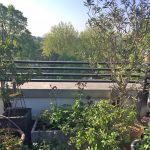 needed. What I hadn’t reckoned with was the relative ease with which I can now now move the large pots (with not much more than finger tip encouragement) in order to reach hidden corners or make space for guests, still required to squash up amidst the greenery but somewhat better accommodated. The bonus of having perfect drainage provided by the mobile pot feet is not to be underestimated either. I do however, continue to camouflage the ‘offending’ wheels whenever possible.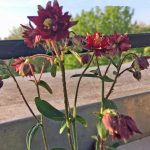
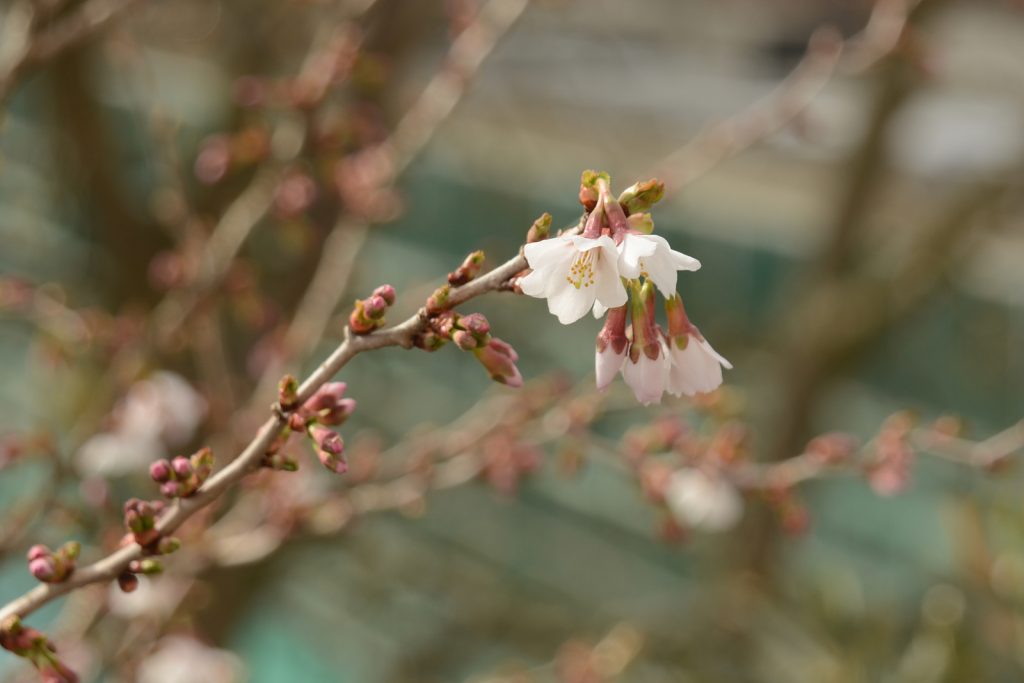
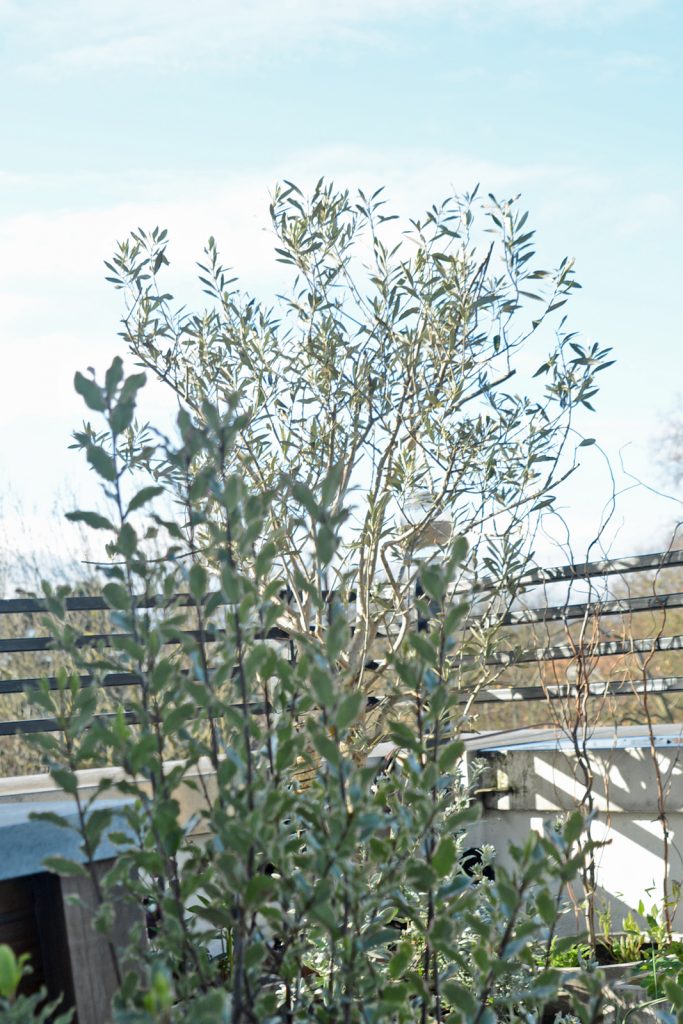
 o be a bit higher than in other locations and as it is often a question of gardening at the single plant level, as one gives way to another, the turnover of names to remember is also correspondingly high, and given the frailities of my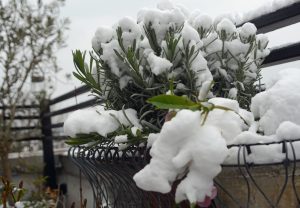
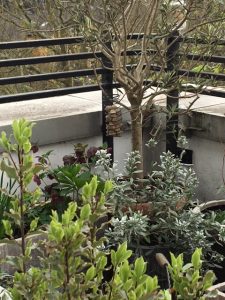
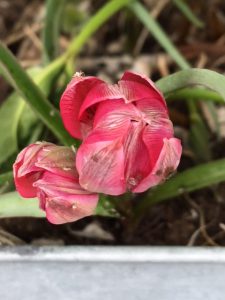
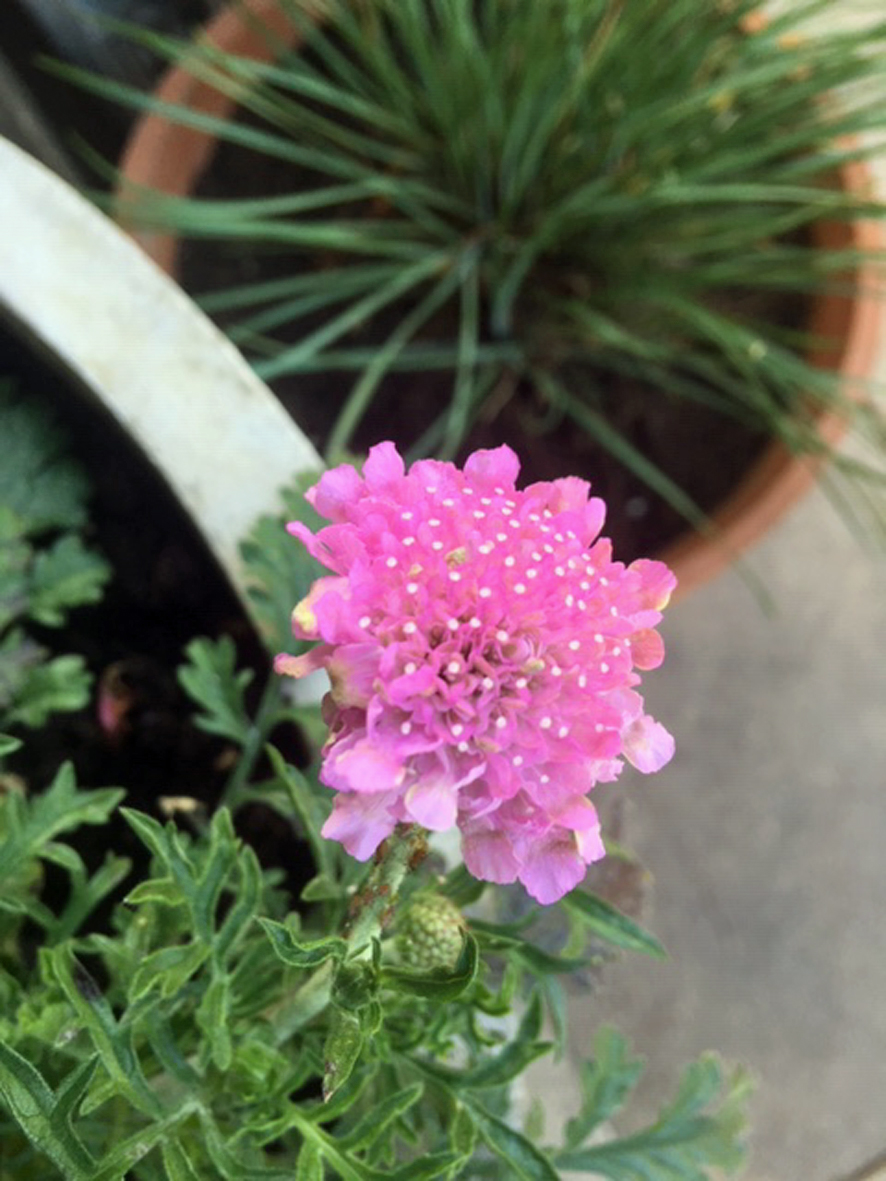
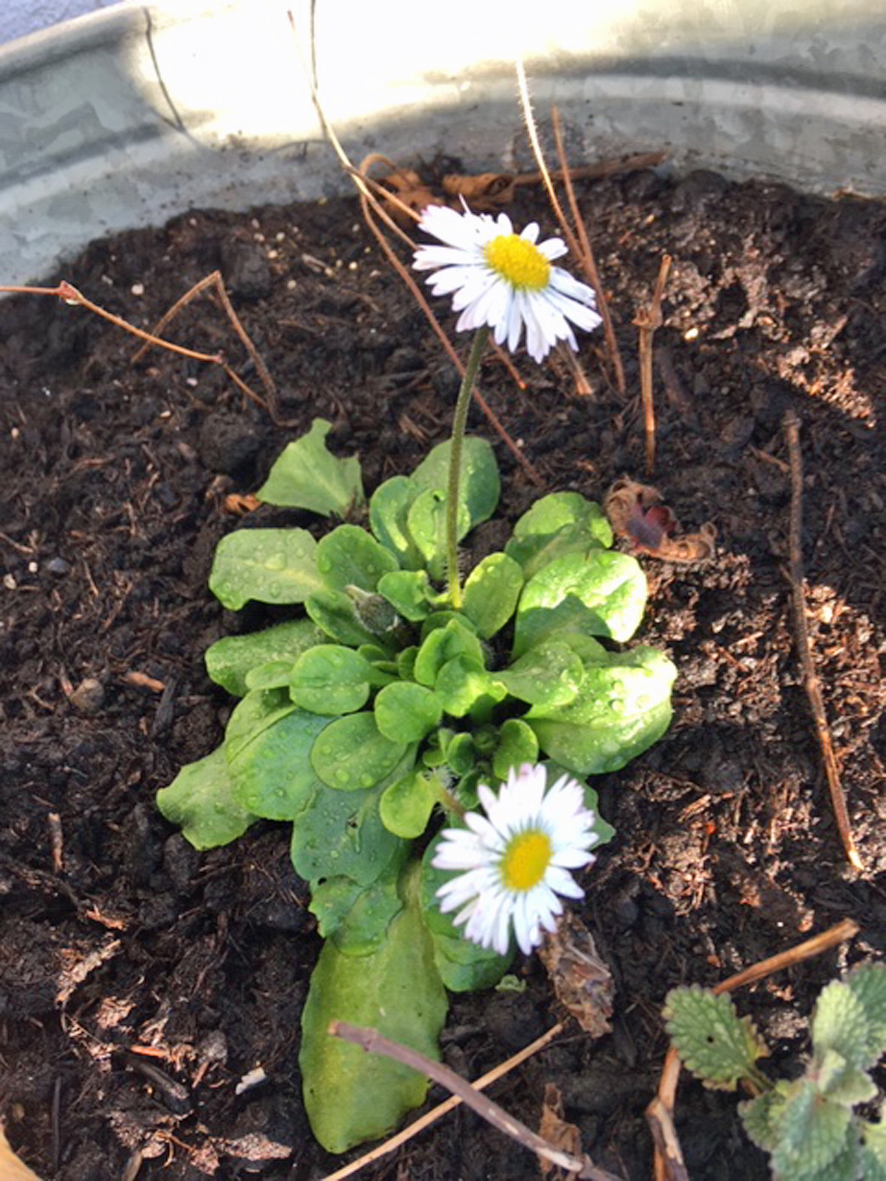
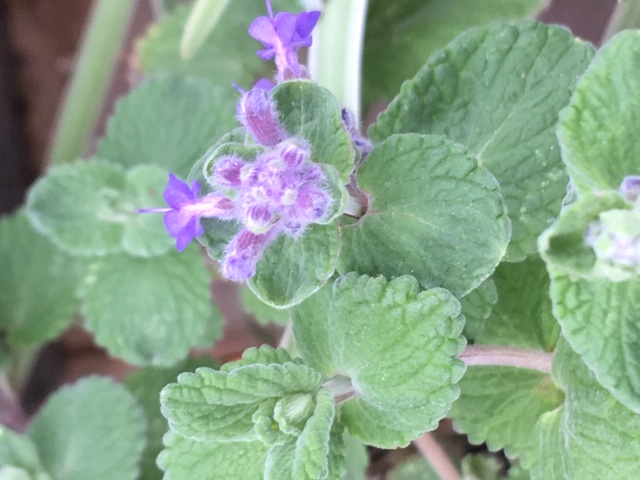
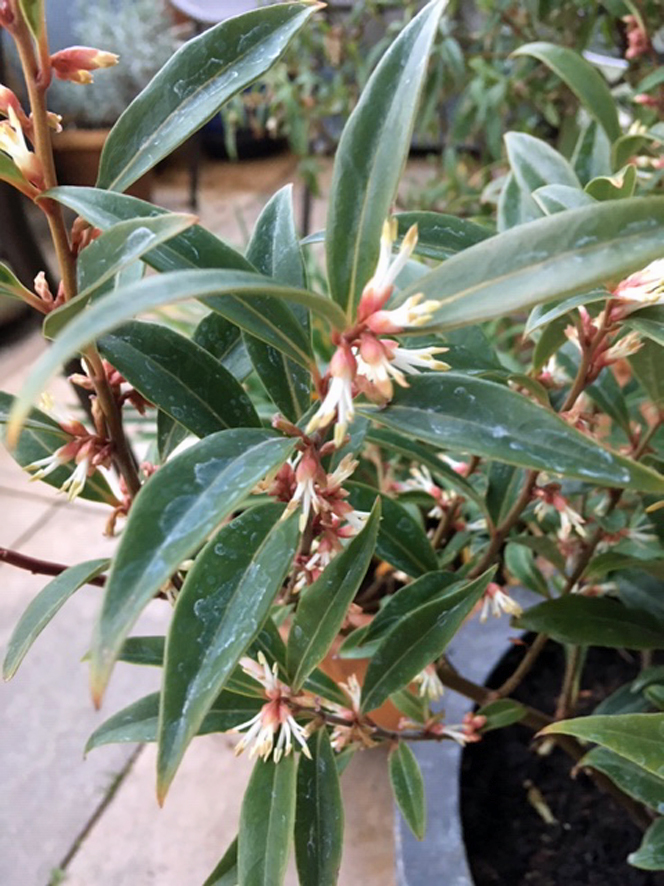
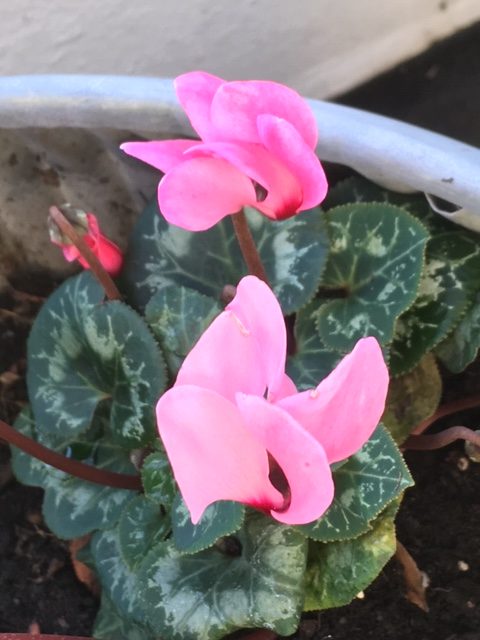
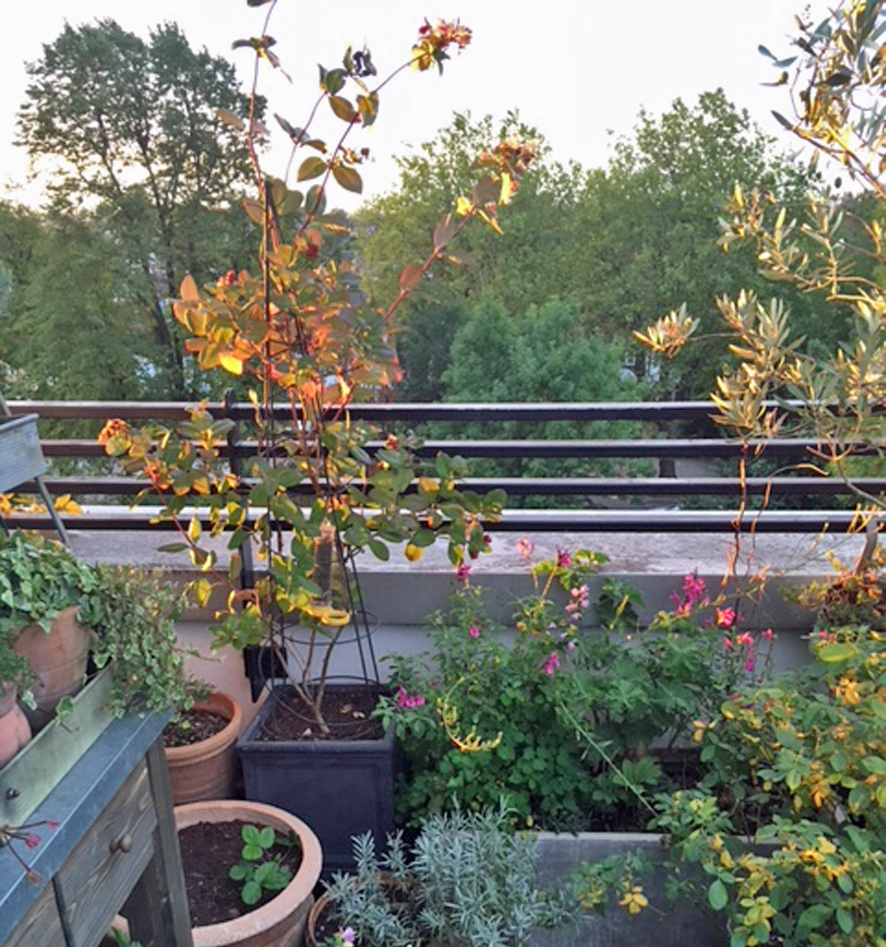
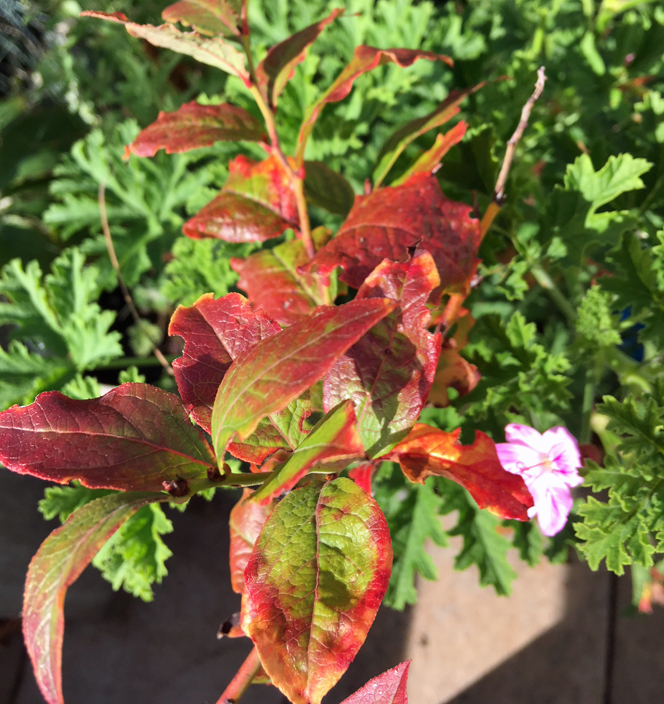
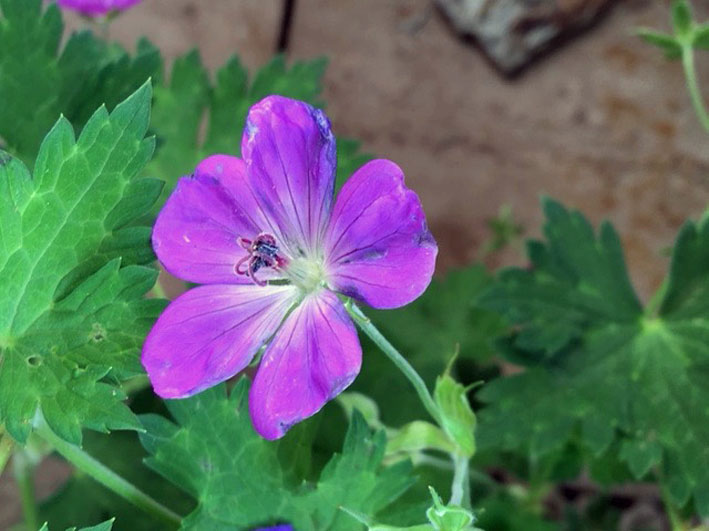
It is lovely to catch up with what sounds like a very full and varied container garden, which we haven’t seen for a long time, too long, life being as busy as it is. The photos are beautiful. Could the names of the plants be written underneath the pics?
Meanwhile our town garden becomes a floral jungle and the challenge is keeping enough blooms going between tulip-time and the roses.
Thank you for your comment – lovely to hear from you and of course the balcony is always open to visitors. Meanwhile I wonder why I haven’t thought of putting the plant names under the pics – it seems so obvious! I always hope that aquilegia will help fill the gap but they failed this year whereas the clematis have been quite spectacular. Summer comes early here too and last year lingered on while the days shortened.